LTV Tech
LTV Tech
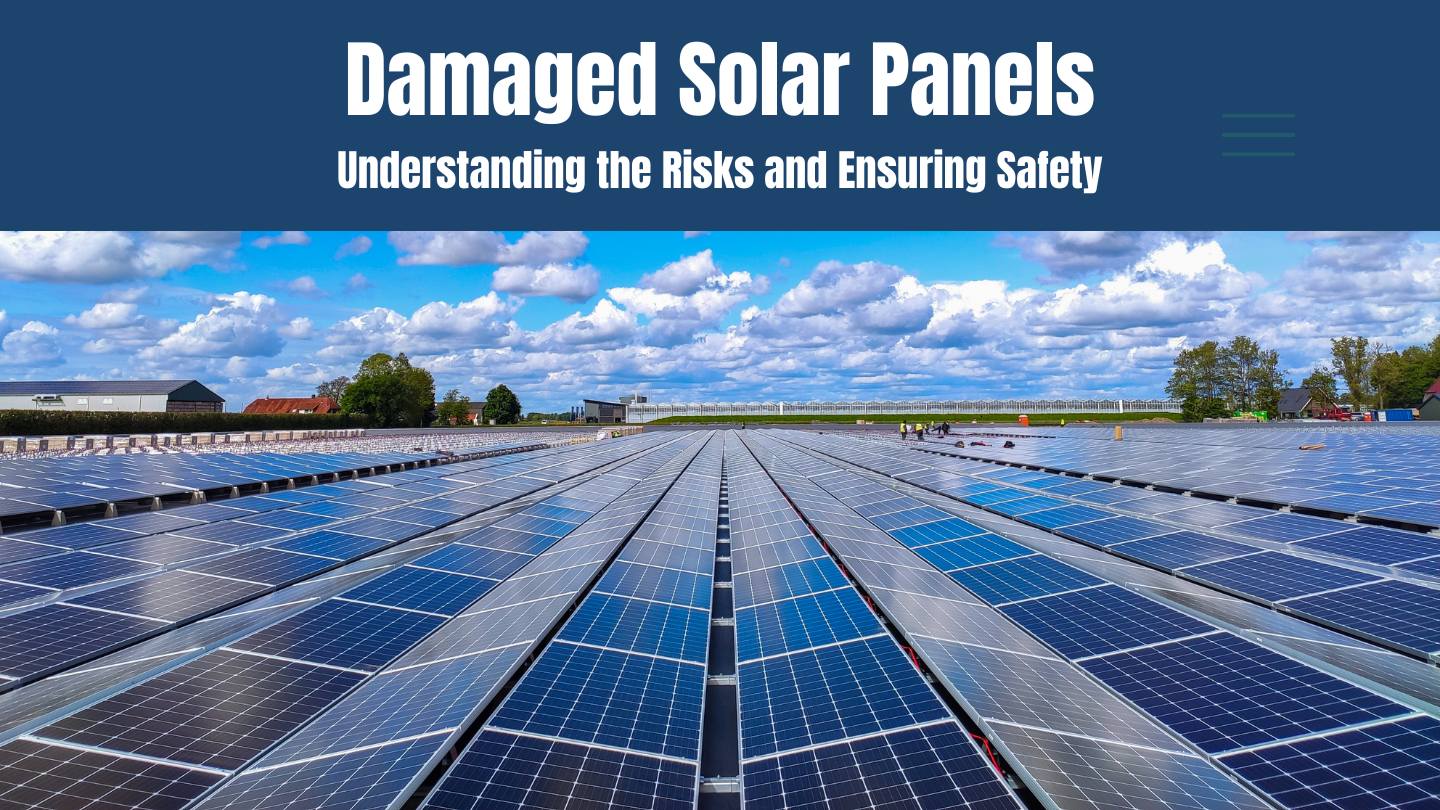
Damaged Solar Panels – Understanding the Risks and Ensuring Safety in the Solar Energy Era

The global surge in solar energy adoption, encompassing residential and commercial sectors, brings us closer to a sustainable future. Despite this positive trend, the challenges inherent in manufacturing, transportation, and the ongoing evolution of solar technologies demand our attention, particularly when it comes to damaged solar panels. Ensuring the safety of lives, protecting properties, and safeguarding the longevity of renewable energy investments is paramount.

Understanding Solar Panels:

Before we delve into the risks associated with damaged solar panels, let’s establish crucial facts about these energy-generating marvels:

  1. Photovoltaic (PV) cells, the foundation of solar panels, harness energy directly from sunlight without the need for chemicals or moving parts.
  2. Solar panels operate continuously in the presence of light, and their output remains active, unable to be switched off.
  3. Generating Direct Current (DC), solar panels behave differently from Alternating Current (AC), potentially creating a substantial arc during disconnection or short-circuiting.
  4. Configured in series and parallel, solar panels result in high DC voltage and current throughout the system.

Risks Associated with Damaged Solar Panels:

This article focuses on visible damages caused by external factors such as hailstorms, fallen trees, vehicle collisions, or structural failures, all of which pose significant risks:

  1. Arcing Hazards: Damaged panels may initiate arcing, leading to high temperatures that can rapidly escalate into a fire due to the continuous nature of DC arcs.
  2. Melting and Toxic Materials: High-temperature DC arcs can melt the glass, releasing toxic materials used in solar panels. The resulting droplets may cause further damage to the roof structure and become a real fire hazard.
  3. Detection Challenges: Damaged panels may go undetected in their early stages. Although inverters often have arc fault detection, it occurs only at the inverter, potentially allowing the spread of fire.
  4. Electrocution Risks: Exposure to wet conditions can lead to energy jumps onto structures, presenting a risk of electrocution. While proper earthing is essential, certain situations may still pose a risk.

Case Study: The Shopping Mall in South Africa

To highlight the severity of these risks, consider the case of a shopping mall in South Africa. Disturbingly, after photographs were taken and brought to the mall’s management’s attention, no immediate action was taken. The damaged solar panels posed a potential fire hazard, and the lack of awareness regarding DC voltage risks was evident. This real-life example exemplifies the prevalent misconception that DC voltage is harmless and underscores the urgent need for industry-wide education on the risks associated with damaged solar panels.

Solution: Implementing Height Restrictions with Boom Gates

To address such risks in areas prone to vehicle damage, a practical solution involves implementing height restrictions with boom gates at entrances to parking areas where solar carport arrays are installed. This preventative measure serves as a physical barrier, preventing oversized vehicles from entering and causing damage to the solar panels. Much like the boom gates found in underground parking lots, this solution ensures that vehicles exceeding height limits are unable to access spaces where the carport arrays are installed, significantly reducing the likelihood of damage.

Addressing the Risks and Ensuring Safety:

  1. Education is Key: Both installers and system owners must be educated about potential risks, fostering awareness to prevent dangerous incidents such as fires and electrocutions.
  2. Regular Inspections: Periodic inspections by qualified professionals are necessary to identify and address any damages promptly.
  3. Emergency Response Plans: Develop and communicate emergency response plans to mitigate the impact of incidents like fires or floods.
  4. Height Restrictions and Boom Gates: Implementing height restrictions, such as boom gates in parking spaces, can prevent damages caused by oversized vehicles, ensuring a safer environment for solar installations.

Solar energy’s promise for a sustainable future is substantial, but understanding and managing associated risks are imperative. By recognizing the dynamics of solar panels and proactively addressing visible damages, coupled with innovative solutions like height restrictions with boom gates, we can ensure the safety of individuals and the investments made in renewable energy systems. The shopping mall example serves as a stark reminder of the need for education, awareness, and preventive measures to create a secure and thriving solar energy industry.
PV Safety Webinar Recap and Access to Recording!

We’re delighted to share some highlights and resources from our recent webinar, “PV Safety – Risk and Solutions for First Responders,” hosted by PVStop International in collaboration with esteemed presenters, Jim Foran, Director (Australia), and Alex Keene, European Sales & Marketing Manager.

Key Takeaways:

  • The webinar shed light on the critical importance of safety in the fast-growing PV industry.
  • Emphasis on adherence to regulations and standards for secure PV system installations.
  • Identification and mitigation of potential risks, both in direct fire scenarios and situations indirectly involving solar panels.
  • Insightful discussions on the role of first responders in addressing incidents related to PV systems swiftly and safely.

Special Thanks: We extend our heartfelt gratitude to Jim Foran and Alex Keene for their valuable insights and expertise. Their contributions made the webinar both informative and engaging.

Access to Recorded Webinar: For those who couldn’t join us live or wish to revisit the valuable content, we’ve made the recorded webinar available. Simply follow this YouTube link to access the full session at your convenience.

Acknowledgment to Attendees: A sincere thank you to all attendees who actively participated in the webinar. Your commitment to safety and engagement in this critical dialogue is essential for creating a safer environment within the PV industry.

We look forward to your continued interest and participation in future webinars. If you have any questions or suggestions for topics you’d like us to cover, please don’t hesitate to reach out.

Stay tuned for more exciting updates and advancements in the world of PV technology!

Navigating the Rising Concerns: Fire Safety in the Growing PV System Landscape

PV Solar Safety – Risk and Solutions for First Responders 5 December’23 09H00 SouthAfrican Time

The world of solar energy is undergoing a transformative surge, exemplified by the rooftop solar PV capacity in South Africa experiencing an extraordinary 349% increase in just over a year. Anton Eberhard, a prominent South African energy expert, has highlighted this significant growth, emphasizing the need for heightened awareness and stringent safety measures.

Unveiling the Numbers: A Sharp Rise in PV Fires

Despite a 10.5% growth in solar capacity from 2019 to 2022, a concerning trend emerges – a worldwide percentage of nearly 50% surge in solar panel-related fires during the same period. This alarming statistic raises crucial questions about the overall safety of PV installations, particularly as the market saw an influx of untrained companies turned solar installers due to soaring demand.

The Root of the Issue: Untrained Installers and Subpar Workmanship

The rapid expansion of the solar market has led to an influx of untrained companies entering the field. With demand outpacing supply, corners were cut, resulting in improper tool usage, incorrect components and wiring, and subpar workmanship. The repercussions of this trend are far-reaching, creating a long list of potential hazards.

Understanding the Fire Risk Landscape

Each PV installation becomes an integral part of any potential fire incident, necessitating a comprehensive evaluation of potential risks. With a conservative fire risk rate of 0.01%, the looming question is how many fire incidents might unfold in 2024.

The Unseen Threat: DC Danger Zones and First Responder Challenges

Amid this rising concern, a significant challenge arises for first responders. A 5% prevalence of homes and businesses equipped with PV installations magnifies the risk. First responders, trained to combat fires aggressively, face delays due to the inherent dangers associated with DC danger zones, potentially leading to electrocution.

Critical Seconds: The Thin Line Between Control and Catastrophe

The urgency of the matter lies in the critical seconds that can make all the difference between successfully controlling a fire and facing total destruction. The complexity of PV systems, coupled with the lack of expertise during emergency situations, creates a challenging scenario for first responders.

A Call for Vigilance and Expertise

As we witness the rapid expansion of solar energy, it is imperative to prioritize fire safety in PV systems. Ensuring proper training, adherence to safety standards, and the implementation of robust emergency protocols can mitigate the risks associated with the growing number of PV installations. The potential consequences of overlooking this issue are too severe to ignore, emphasizing the need for a collective effort to navigate these challenges and secure a safer energy future.

Introducing PVSTOP: A Solution for Safe De-Energizing

In the face of these challenges, a crucial solution emerges – PVSTOP. This innovative system enables easy and effective de-energizing of PV systems, especially crucial in cases where fires are initiated by DC arcs within the system. De-energizing the PV system simplifies firefighting efforts by eliminating the presence of the DC arc that can reignite flames persistently.

The high temperatures associated with DC arcs pose a significant risk, and attempting to extinguish fires without proper de-energization can result in water damage and a heightened risk of electrocution. Untrained individuals should never attempt this, even with correct safety wear. For first responders, PVSTOP provides a safer and more efficient means of handling PV-related fire incidents, ensuring that critical seconds are maximized for effective intervention.

As we navigate the challenges posed by the growth in PV systems, integrating solutions like PVSTOP becomes paramount. It’s not just about expanding our energy capabilities; it’s about doing so responsibly, with an unwavering commitment to safety, expertise, and a collective effort to secure a resilient and secure energy future.

Ensuring PV Safety: Webinar with International Experts on Risks and Solutions for First Responders

Date: 5th December 2023 | Time: 09:00 South Africa Time

Introduction:

The global push for renewable energy, driven by initiatives such as the UN 2030 targets to reduce CO2 emissions, has seen remarkable progress. However, as we approach the end of 2023, challenges persist, with load shedding issues in countries like South Africa. The solar industry, in particular, has experienced exponential growth, installing a staggering 4500MW of PV systems in the first 9 months of the year. Amidst this growth, it’s crucial to address safety concerns for first responders, who play a pivotal role in emergencies involving photovoltaic (PV) systems.

The Need for PV Safety:

While the statistics on fires within PV systems are minimal, even a small percentage can result in a significant number of incidents globally. The evolving regulations and constant influx of new products into the market demand a focus on the safety of those responding to emergencies involving PV installations. In the fast-paced world of solar technology, it’s essential to equip first responders with the means to rapidly and safely de-energize PV systems.

Webinar Focus: PV Safety – Risks and Solutions for First Responders

On the 5th of December 2024, at 09:00 South Africa Time, PV industry experts Jim Foran, Director at PVStop International Pty Ltd (Australia), and Alex Keene, European Sales & Marketing Manager at PVStop International Pty Ltd (UK), will host a webinar titled “PV Safety – Risks and Solutions for First Responders.” With their extensive experience collaborating with first responders globally, they will shed light on the challenges faced and present an innovative solution: PVSTOP.

About PVSTOP:

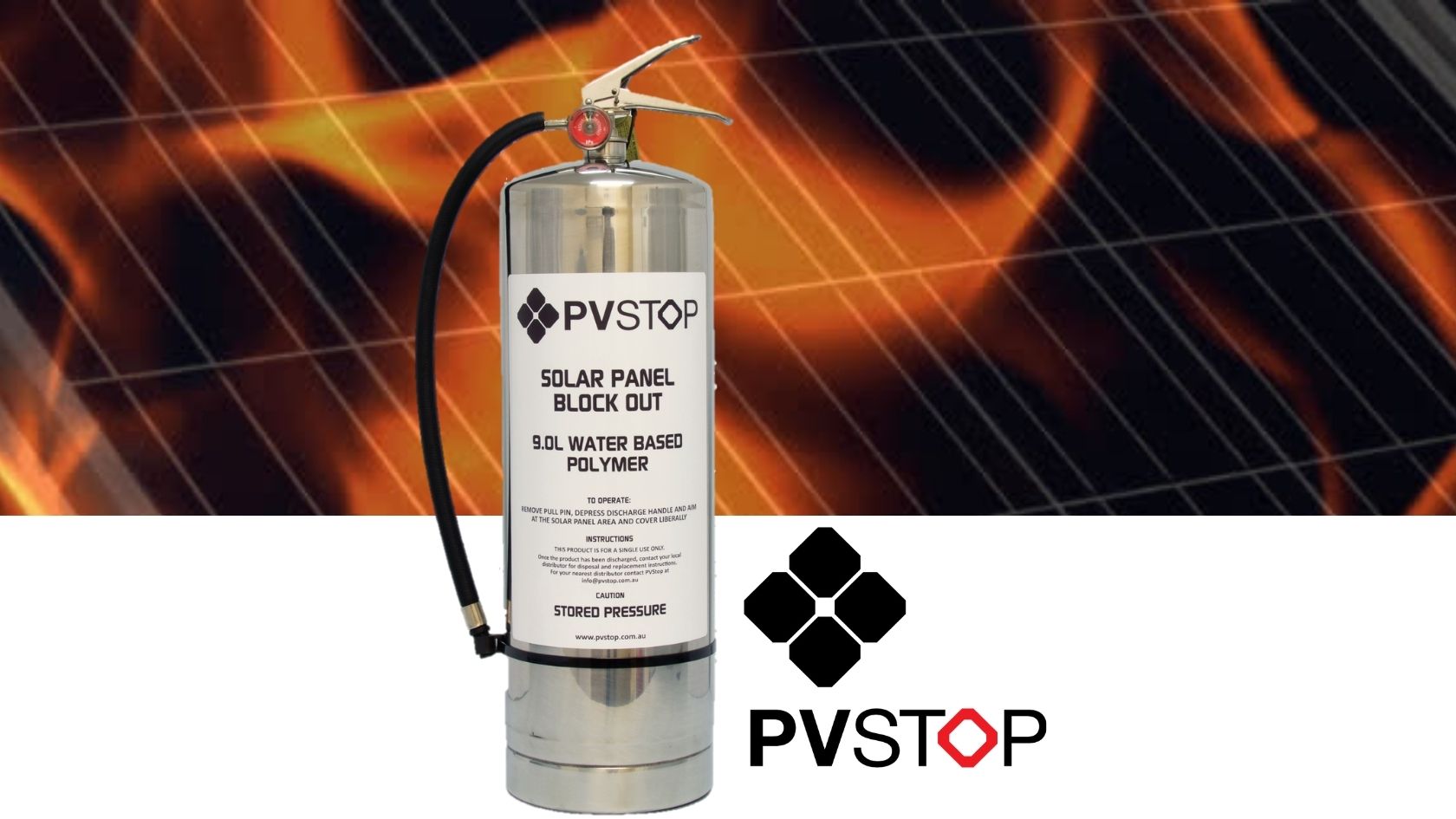
PVSTOP is a cutting-edge light-blocking compound designed to rapidly, effectively, and safely de-energize PV arrays. Already in use by several fire brigades worldwide, PVSTOP ensures that first responders can perform their duties without unnecessary risks associated with PV system emergencies.

Webinar Details:

  • Date: 5th December 2024
  • Time: 09:00 South Africa Time
  • Presenters: Jim Foran (PVStop International Pty Ltd, Australia) and Alex Keene (PVStop International Pty Ltd, UK)
  • Topic: PV Safety – Risks and Solutions for First Responders
  • Q&A Session: A chance for participants to engage with the experts after the presentation

Who Should Attend:

This webinar is a must-attend for anyone involved in the renewable energy sector (installation or distribution), individuals with PV systems on their premises (commercial or residential), professionals in the insurance, fire and safety industries, and, most importantly, first responders. The insights shared will be invaluable for anyone looking to enhance their understanding of PV safety.

Looking Ahead: PV Safety Conference in March 2024

This webinar serves as a precursor to our larger initiative – a PV Safety Conference scheduled for March 2024 in South Africa. The conference will focus on education, prevention, and the safety of first responders. Registration for the conference will be available in February 2024.

Protecting Your Solar PV System after Hail and Ensuring Safety

As we approach the spring/summer rain season in most parts of South Africa, it’s crucial to address a significant concern for solar PV system owners and installers: hail damage. While Solar PV Systems are built to withstand a variety of weather conditions, including hail, there are limits to their resilience. In this article, we’ll explore the potential risks associated with hailstorms and provide advice for both installers and customers on how to safeguard their systems and ensure their longevity.

Understanding Hail Risk in South Africa:

South Africa is no stranger to hailstorms, and they can have a considerable impact on properties and solar panels. According to data, South Africa experiences hailstorms regularly, with the eastern parts of the country, such as Gauteng, often being the most affected. In recent years, insurance companies have taken a proactive stance by sending out notifications when hailstorms are forecasted in specific areas.

However, it’s important to note that there’s not much that can be done to prevent large hailstorms. But there are proactive measures you can take to minimize the potential damage to your solar PV system.

Protecting Your Solar PV System:

  1. Inspection after Hailstorms: After a significant hailstorm, it is essential to contact your solar panel installers to inspect your PV system for any damages. Attempting to assess the damage on your own is not advisable. Solar PV specialists have specialized equipment and knowledge to assess the condition of your solar panels accurately.
  2. Thermal Imaging: Regular thermal imaging inspections should be part of your solar panel maintenance routine. Professionals can use thermal imaging to detect problems like faulty cells in panels, issues with junction boxes, MC4 connections, and PV Combiner boxes. Ensuring there are no hot connections, especially in crimping connections, is vital for system safety and performance.
  3. PVStop for Safe De-Energization: In case your PV panels are damaged or there’s a fire or flooding, it’s essential to have a safe de-energization method. PVStop provides a simple and secure way to de-energize your PV panels, helping prevent further damage and ensuring safety.

Important Update:

Unfortunately, PVStop is not yet available in South Africa. We are actively working with local authorities and regulators to obtain a Letter of Authority (LOA) to resell the product within the South African border. While PVStop is not currently an option for safeguarding your solar PV system, we have alternative measures to help protect your investment.

Protecting Your Solar PV System Without PVStop:

In the absence of PVStop, it’s essential to consider other precautions to minimize potential damage to your solar PV system:

  1. Use Plastic Tarpaulin: Installers and customers can employ plastic tarpaulins to shield the solar panels from the sun. Covering the panels can prevent further damage in case of hail or other extreme weather conditions.
  2. Proper Disconnection: When protecting your solar panels, it’s vital to disconnect them appropriately. This can be done at the PV Combiner box. However, please note that disconnecting the system alone may not be sufficient, as solar panels can still generate dangerous levels of electricity.
  3. Consult Your Insurance Company: Contact your insurance company to understand the procedures for claiming damaged panels. They can provide guidance on the necessary steps to take and documentation required to facilitate a successful claim.

While PVStop remains in the process of obtaining regulatory approval for South Africa, these alternative measures can help ensure the safety of your solar PV system during hailstorms or other adverse conditions. We are committed to bringing PVStop to South Africa once all necessary approvals are secured.

Thank you for your understanding and dedication to the safety and longevity of your solar PV system. We encourage both installers and customers to stay informed and take proactive steps to protect their investments in renewable energy.

#SolarPower #HailDamage #Safety #SouthAfrica #RenewableEnergy #PVStop

Solar PV Safety and Risks
https://www.youtube.com/watch?v=rocIa3nxlWw

Join our upcoming webinar on Solar PV Safety and Risks! Discover how to ensure the safety and security of solar panels and renewable energy systems. Learn about the crucial differences between AC and DC current and how to minimize associated risks. We’ll explore the importance of quality DC components and their role in preventing issues during installation.

Hot connections and workmanship are also key concerns in PV systems, with MC4 connectors being a potential risk. Find out how you can mitigate these risks with additional safety attachments for MC4 connectors.

Discover solutions that enhance the safety of PV systems, making them safer for first responders and users. Our experts will discuss methods to de-energize solar panels and reduce the “DC Danger Zone.”

First responders and the insurance industry face unique challenges with the growth of solar installations. Learn about effective solutions and best practices to manage risks. We’re excited to offer a webinar in mid-November to raise awareness without a commercial product focus.

In conclusion, we are committed to improving safety in the world of solar PV systems. Join us to gain valuable insights and contribute to a safer environment for all stakeholders. Your participation will make a significant impact in ensuring the safety of everyone involved. Don’t miss out on this important event!

We will confirm the possibility and available date and time as soon as possible and send out invitations to register for this free and informative webinar.

Unlocking Solar Panel Safety in South Africa – PVStop Inquiry Blog

Welcome to the LTV Technologies and Supplies blog, dedicated to providing you with all the essential information and updates regarding the introduction of PVStop in South Africa. We understand the importance of ensuring the safety of solar panels during emergencies, and we are committed to bringing this innovative solution to the South African market. This blog will guide you through the process of filling out our website inquiry form, which is designed to capture all the information and inquiries related to PVStop.

Why PVStop?

PVStop is a groundbreaking solution that allows for the safe de-energization of solar panels at their source. It is a non-hazardous water-based compound that can be sprayed on PV panels to block out the sun’s rays in case of an emergency. This simple and effective method is essential for ensuring the safety of firefighters, emergency personnel, PV owners, and many more during critical situations.

Our Mission:

Our mission is to make PVStop readily available in South Africa, in accordance with the National Regulator for Compulsory Specifications (NRS) and South African National Standards (SANS) regulations. We aim to obtain a Letter of Authority to resell the product while working towards a specific regulation for PVStop.

We want to emphasize that PVStop is not classified as a fire extinguisher, which is governed by SANS 1910. Instead, it’s a product that sprays a non-hazardous water-based liquid on PV panels to de-energize them in emergencies, similar to how a fire blanket or tarpaulin would be used. We understand the challenges first responders face when attempting to block out the sun manually, and PVStop provides a safe and efficient alternative.

How You Can Help:

To support our mission and show the urgency of introducing PVStop in South Africa, we encourage you to fill out the inquiry form on our website. This form is designed for various stakeholders, including residential owners, commercial entities, municipalities, installers, contractors, safety officers, and potential resellers.

By providing us with your contact information and specific details about your interest in PVStop, you play a crucial role in expediting the process and helping us keep you updated on our progress.

Our Commitment:

Rest assured that your information is safe with us. We will not share it with any third parties. Your privacy is of utmost importance.

Conclusion:

PVStop is a game-changing solution that promises to enhance the safety of solar panels during emergencies. By filling out our website inquiry form, you are helping us make this innovative product available in South Africa. We appreciate your support and look forward to keeping you updated on our journey.

To fill out the form, please visit our website: PVStop Enquiry

Stay tuned for more updates and progress reports. Your involvement is crucial in bringing PVStop to South Africa and making a significant impact on solar panel safety in the region. Thank you for your support!

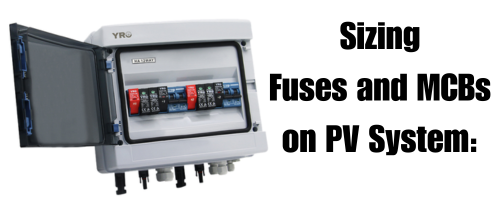
Sizing Fuses and MCBs for Your Solar PV System: A Comprehensive Guide

Solar energy is an investment that offers numerous benefits, but its proper setup and maintenance are key to maximizing those advantages. In this detailed guide, we will explore the essential aspects of sizing fuses and Mini DC Non-Polarity Circuit Breakers (MCBs) in your PV Combiner box. We’ll use an 8kW inverter with a 10,400W MPPT capacity as an example to help you understand the process better.

Sizing Fuses for the PV Combiner Box

The fuse is a crucial component in your solar PV system as it safeguards against overcurrent, providing protection to both your equipment and your investment. Let’s use the specifications of 550W panels with 11A Imp and 43V Vmp as an example:

Formula for Fuse Size:

Fuse Size (Amps) = Total Current of the String

One often underestimated but vitally important component is the DC fuse. Surprisingly, it’s become common practice for some installers to use AC fuses in DC circuits, despite the fundamental differences between AC and DC circuits, particularly regarding arc faults. DC arcs are more persistent and harder to extinguish, which is why the use of AC fuses in DC circuits poses significant risks. To tackle this challenge, some installers opt for oversized fuses, thinking they offer more protection. However, this can be counterproductive, as oversized fuses can lead to excessive current flow, potentially damaging your system.

The key to safety and reliability lies in using quality DC fuses that are correctly sized for your system’s specifications. For example, if you have an array of 550W panels with 11A Imp connected in series, selecting a 15A DC fuse would be the most appropriate choice. This ensures that your system’s current doesn’t exceed safe levels while protecting your equipment and warranty. Furthermore, it’s essential to choose the right DC fuse to protect sensitive components like Maximum Power Point Tracking (MPPT) chargers. Opting for the right-sized DC fuse safeguards your investment, ensuring your solar PV system operates safely and efficiently for years to come. Remember, quality DC fuses matter—don’t compromise on the safety and protection of your solar installation.

Mini DC Non-Polarity Circuit Breakers (MCBs)

When it comes to choosing circuit breakers for your solar PV system, understanding the difference between Polarity Breakers and Non-Polarity Breakers is crucial for ensuring both safety and efficiency.

  • Polarity Breakers

Polarity Breakers are designed primarily for use in AC circuits. They rely on the direction of current flow to operate correctly. If installed incorrectly, where the current flows in the opposite direction, these breakers can become ineffective and even hazardous. In the context of solar systems, where current direction can change due to factors like shading or partial panel coverage, the use of Polarity Breakers can introduce unnecessary risks.

  • Non-Polarity Breakers

Non-Polarity Breakers are specifically engineered for DC circuits, making them ideal for use in solar PV systems. Unlike their Polarity counterparts, Non-Polarity Breakers do not depend on the direction of current flow. This characteristic ensures their reliability and effectiveness, regardless of current direction.

One of the key features that sets Non-Polarity Breakers apart is the presence of an arcing chamber. This specialized chamber serves a vital role in distinguishing and safely extinguishing DC arcs—a challenge unique to DC circuits. DC arcs are more persistent and harder to extinguish than AC arcs, making the arcing chamber an essential safety feature

Non-Polarity Breakers are not just about safety; they also offer comprehensive protection. These breakers feature overload protection to prevent excessive current flow, short circuit protection to swiftly respond to faults, and thermal trip mechanisms to safeguard against overheating. This multifaceted protection ensures your solar system’s longevity and performance.

Sizing the MCBs for Safety

To safeguard your solar PV system effectively, choosing the right amp rating for Mini DC Non-Polarity Circuit Breakers (MCBs) is crucial. In our example, with 550W panels and a constant current of 11A per string, selecting 11A MCBs aligns with best practices for system protection. However, the most common choice for MCBs in this scenario is 16A DC Non-Polarity Breakers. This slightly higher rating offers an added layer of protection, ensuring that your system remains safe while accommodating potential minor variations in current.

n summary, while Polarity Breakers have their place in AC circuits, Non-Polarity Breakers are the unequivocal choice for DC circuits, particularly in solar PV systems. These specialized breakers not only ensure consistent and reliable protection but also boast an arcing chamber to safely handle DC arcs. With overload protection, short circuit protection, and thermal trip mechanisms, Non-Polarity Breakers are the complete package, guaranteeing the safety, performance, and longevity of your solar investment. By making informed choices, you empower your solar system to operate seamlessly and securely, delivering on the promise of clean and sustainable energy.

DC Surge Protectors

Protecting your system from voltage surges is essential for its longevity and performance. To safeguard against these potential threats:

  • Install a DC surge protector for each string, connecting them in parallel before the MCB for that string.
  • Ensure that the surge protectors are rated for the voltage range of your system, which, in this case, is 125 – 425Vdc
  • Verify that they have appropriate surge protection capabilities to effectively neutralize voltage spikes, preserving your equipment.

Earth Wire and Bonding

Proper grounding is critical to the safety and functionality of your solar PV system. Here are the key considerations:

  • Size the earth wire according to local electrical codes and standards to meet safety requirements.
  • Securely connect the earth bar to the ground, establishing a reliable electrical connection.
  • Bond the panels’ earth wires to the earth bar, ensuring that potential differences are properly managed.
  • Route the earth wire as directly and as straight as possible to minimize resistance and guarantee effective grounding.

Conclusion

In summary, sizing fuses and MCBs correctly is essential to ensure the safe and efficient operation of your solar PV system. Using an 8kW inverter with a 10,400W MPPT capacity as an example, we’ve outlined the calculations and steps necessary to determine the appropriate fuse and MCB sizes for your PV Combiner box. Additionally, we’ve highlighted the importance of DC surge protectors and proper grounding to protect your system and maintain its performance.

By following these guidelines and adhering to local electrical codes and standards, you’ll not only safeguard your investment but also ensure that your solar PV system operates safely and efficiently for years to come. Remember, the safety and longevity of your solar installation depend on the proper selection and sizing of these critical components.

Safeguarding Solar Systems: PVStop and ArcBox – Your Best Defense Against PV Array Risks


At LTV Technology and Supplies, we are committed to enhancing safety and efficiency in the world of solar energy. Photovoltaic (PV) systems have emerged as a sustainable solution for harnessing solar power, but they come with their own set of challenges. In this article, we shed light on two crucial products, PVStop and ArcBox, which play a pivotal role in mitigating risks associated with PV arrays.

Understanding the Challenge

PV arrays generate clean energy from the sun, but they also carry inherent risks. One of the primary challenges arises from the nature of solar panels themselves. In a matter of seconds, the voltage in a PV array can drop, and the current can decrease to nearly zero, especially during quick applications over the middle of the panels. While regulations and maintenance efforts address some of these risks, human factors, corrosion, and neglect can still pose threats to the safety of these systems.

Regulators and authorities have been diligently working to improve the safety of PV systems, but immediate action is also essential. In this context, products like PVStop offer a powerful solution to combat these risks effectively.

PVStop: Rapid and Reliable

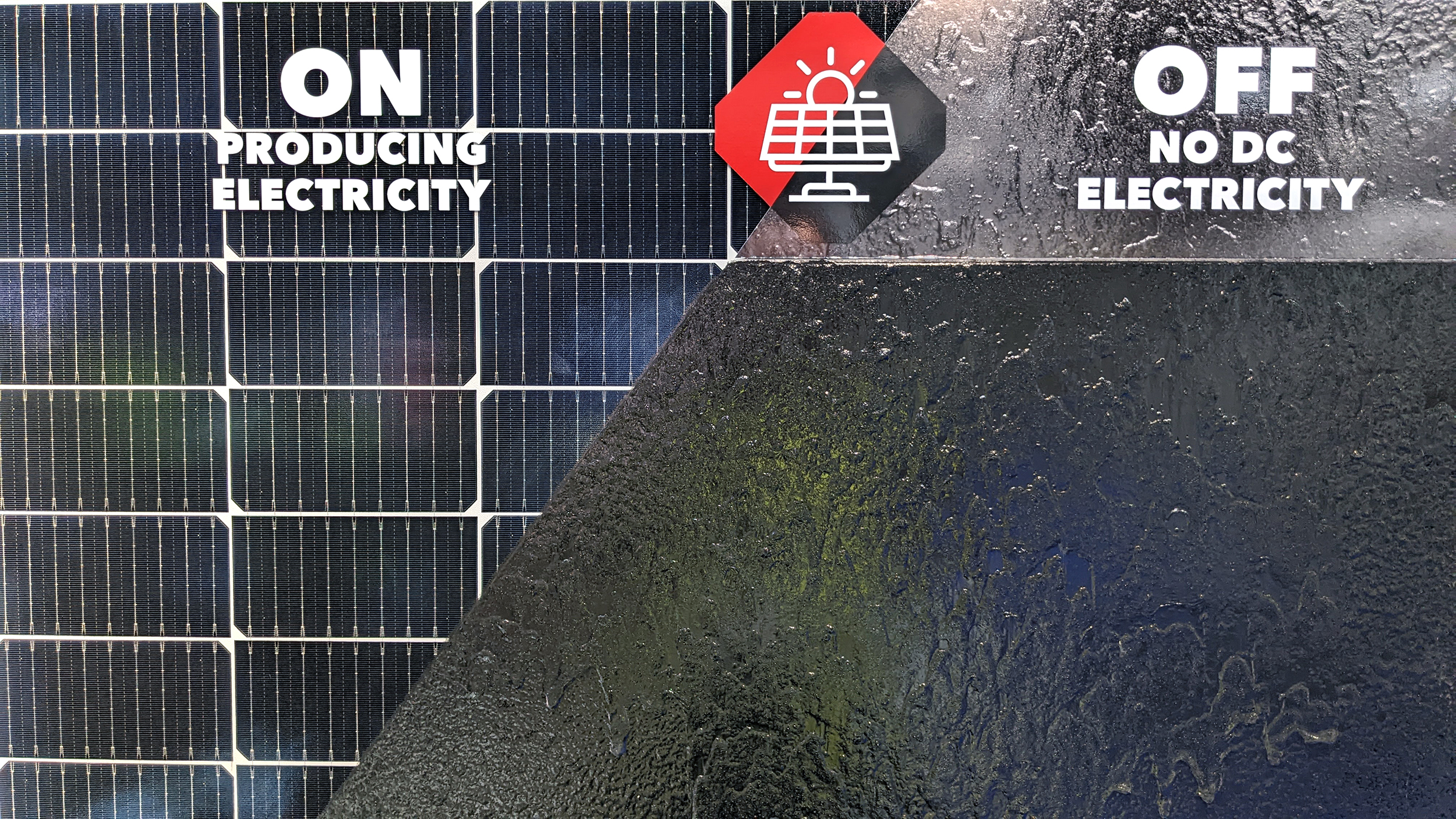
PVStop is the fastest and most effective way to disconnect the power source in a PV array system. Given that the sun is the source of power, no electrical device can fully replicate this function. PVStop is available in 9kg and 4.5kg fire extinguisher bottles and acts as a water-based isolating coating compound.

The beauty of PVStop lies in its simplicity. You don’t need a technical background to apply it. After a quick application, the voltage dramatically drops to a safe level, and more importantly, the current is reduced to almost zero amps. No power means no threat. Following the initial application, panels can be sprayed to cover the entire surface, bringing both voltage and current down to zero. This protective coating can last for up to a year if needed, and when the system is safe again, it can be easily removed and disposed of safely.

ArcBox: Tackling Connector Challenges

Another significant risk factor in PV systems is the quality and maintenance of connectors, particularly MC4 connectors. Research and data have shown that many PV system fires originate from issues related to these connectors. The problem isn’t solely the connectors themselves but also human errors during installation and the prevalence of subpar connectors in the market.

ArcBox, developed by Viridian, plays a crucial role in addressing these concerns. During commissioning, issues related to connectors might not be readily apparent, but they can become risks after a few years due to corrosion and poor maintenance practices.

MC4 connectors are designed with rubber seals to prevent moisture ingress. However, during installations or subsequent maintenance, these connectors are often taken apart and reconnected, compromising the integrity of the seal. Over time, this can lead to corrosion and arcing, which can ultimately result in fires.

High-quality MC4 connectors undergo rigorous testing, including water and high-temperature flame retardant tests to ensure they are suitable for outdoor use. However, even these connectors can deteriorate over time, depending on environmental factors.

In regions with high UV exposure like South Africa, maintaining and replacing connectors and safety equipment is essential due to the harsh conditions. The intense UV radiation can accelerate wear and tear on PV components.

Conclusion

PV arrays offer a promising avenue for clean energy generation, but they also present safety challenges that cannot be ignored. Products like PVStop and ArcBox provide practical solutions to minimize risks associated with these systems.

By swiftly disconnecting power sources and addressing connector-related issues, we can significantly reduce the chances of PV system fires and improve the overall safety and reliability of solar energy systems. It’s imperative for regulators, insurance companies, and industry associations to promote and endorse these products to safeguard properties and lives.

At LTV Technology and Supplies, we remain committed to promoting the safe and efficient use of solar energy. Contact us today to learn more about how PVStop and ArcBox can enhance the safety of your PV array systems. Together, we can harness the power of the sun responsibly and sustainably.

Ensuring Safety in Solar PV Systems: A Simple Solution for First Responders

Solar photovoltaic (PV) panels are a sustainable and increasingly popular source of clean energy. However, it’s important to understand that they can also pose a potential electrical hazard, especially in emergency situations. In this article, we’ll explore the need for safety measures when dealing with solar PV systems and introduce a straightforward solution that makes these systems safe for first responders.

The DC Danger Zone:

Solar PV panels generate direct current (DC) electricity when exposed to sunlight. This DC electricity can be potentially lethal. All solar PV systems have safety features like isolation switches and arc fault detection equipment, but these operate downstream of the panels. This means that the panels and their wiring remain live when exposed to light, creating what experts call the “DC Danger Zone.”

Safety Concerns:

Fires involving solar panels should not be tackled by untrained personnel because these panels pose an electrical hazard. Compromised solar PV systems present a live DC electrical risk that can escalate into a fire if not addressed promptly. However, reporting such incidents remains challenging due to the lack of dedicated categories in national incident reporting systems.

Impact on Fire Dynamics:

Solar PV systems integrated into structures can alter how fires spread. Factors like the gap between the panels and the roof, roof materials, and the structural load impact fire dynamics. First responders may not have the technical knowledge to deal with these complexities, making it crucial to provide them with a simple and effective solution.

The Solution:

Trained personnel can apply a light-blocking coating to solar panels using a pressure vessel or drone delivery method. This coating effectively de-energizes the entire solar PV system, making it safe for first responder operations. The PVStop coating should possess additional safety benefits, such as being fire retardant, non-flammable, non-conductive, non-toxic, and environmentally friendly when disposed of.

Restoring Safe Operation:

Once applied, the protective coating can be peeled off by a qualified electrical technician, restoring the solar PV system to safe operation. It’s essential to follow the manufacturer’s recommended instructions during application to ensure that the panels are properly de-energized.

Global Collaboration:

This safety solution has been developed with input from global experts and collaborations with firefighting organizations. Organizations like the London Fire Brigade, Singapore Civil Defence, and New York Fire Department have embraced this solution. PVStop have also actively contributed to safety standards and regulations in the field.

Solar PV systems are a valuable source of renewable energy, but they come with unique safety challenges. Ensuring the safety of first responders is paramount when dealing with solar PV incidents. The application of a light-blocking coating is a simple yet highly effective way to de-energize solar panels and make them safe for emergency operations. By embracing this solution and collaborating on safety standards, we can ensure that solar PV systems continue to contribute to a sustainable future while minimizing risks.