LTV Tech
LTV Tech
Understanding PVSTOP for Fire Safety in Public Buildings

PV Fires in Public Buildings: PVSTOP On-Site vs PVSTOP with the Fire Department vs No PVSTOP

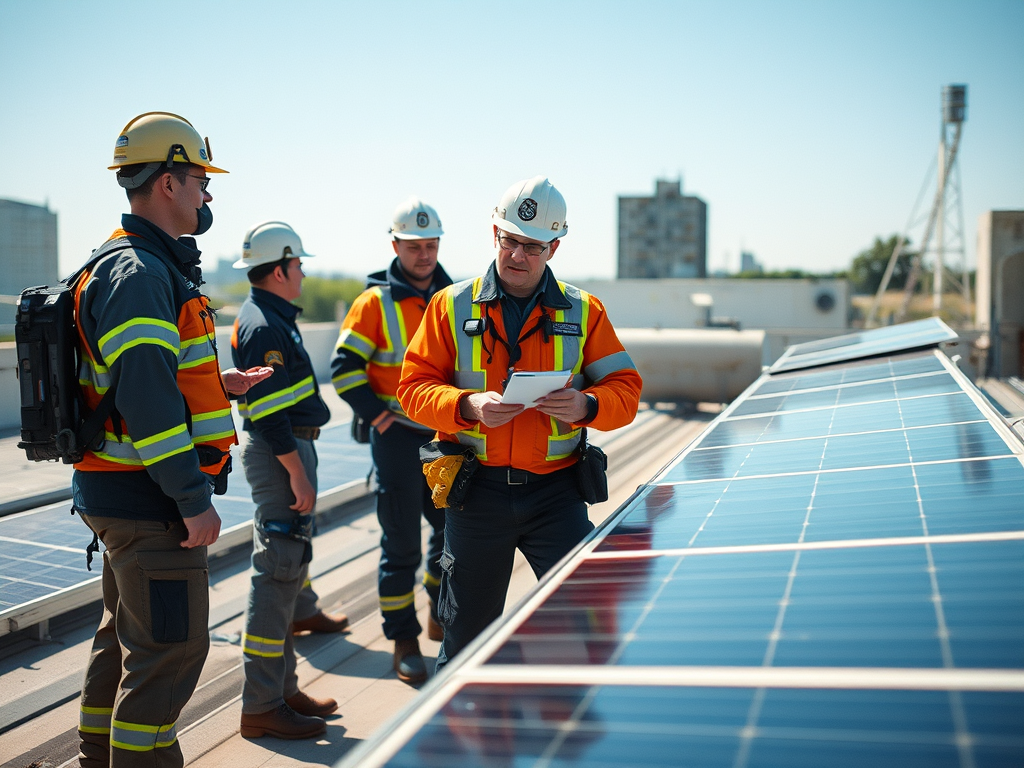
Rooftop solar PV has become part of the building. That means PV changes the fireground, even when PV didn’t start the fire. Research and firefighter training resources consistently highlight the same operational reality: PV can increase electrical shock/arc risk, complicate roof access/ventilation, and create uncertainty about what is truly de-energized.

When incident commanders apply ICS prioritiesLife Safety → Incident Stabilization → Property Conservation—PV mainly impacts the stabilization phase: controlling the hazard and reducing responder exposure.

This article compares three readiness models for high-occupancy sites like hospitals, schools, shopping malls, hotels, stadiums, airports, municipal buildings, and large commercial premises.

Why PV changes “normal” fire response

Most responders are trained to isolate power, but PV introduces a crucial twist: shutting down AC mains or the inverter does not automatically mean the PV array is electrically safe, especially in daylight and especially if components are damaged. Fire service training material emphasizes “isolating power,” “covering panels,” and the hazards of damaging PV with tools—because these issues come up in real incidents.

Also: “covering” methods must be handled carefully—UL/FSRI documentation specifically warns that wet tarps on damaged equipment can become energized and conduct hazardous current.

So the question for building owners and insurers becomes:

The ICS lens (what we’re trying to achieve)

In ICS, the field priorities are typically:

  1. Life Safety
  2. Incident Stabilization
  3. Property Conservation

PVSTOP fits best under Incident Stabilization (reducing ongoing electrical hazard at the source) and Property Conservation (helping make the site safer for handover and re-entry), while always supporting Life Safety by reducing risk exposure, when used within a trained SOP and incident command direction. UL FSRI training and research repeatedly highlight limitations of disconnect devices, covering/de-energizing practices, and tactics that reduce responder exposure around PV.

What PVSTOP is (in plain terms)

PVSTOP is described by manufacturers/distributors as a light-blocking “liquid tarpaulin/blanket” applied to PV module glass to interrupt generation at the source. (In other words: if light is the fuel for PV electricity, block the light to reduce/stop output.)
Its published safety guides also describe handling, cleanup/disposal considerations for the dried film.

(Important: PVSTOP is not a substitute for compliant design, labeling, accessways or firefighter training. It’s a response tool that works best inside an ICS-aligned plan.)

The three real-world options (and why they’re not equal)

Option A — PVSTOP stored ON SITE (facility-owned)

What it means: The hospital/school/mall/hotel keeps PVSTOP on-site (e.g., security control room, fire panel area, plant room), with a trained internal team and a documented SOP that integrates with the responding fire department.

The benefits

  • Time-to-effect is the big win. Any delay in hazard reduction can mean more escalation, larger cordons, and more defensive tactics. On-site storage eliminates “wait for special equipment to arrive.”
  • Better ICS integration on arrival. The Incident Commander can quickly decide: “Do we deploy the de-energizing method?” without it being dependent on a later resource.
  • Supports safer stabilization and handover. PV hazards can persist into overhaul/re-entry. A site-held capability helps move toward “safe enough to work” sooner.

The non-negotiables (or it becomes theater)

  • Clear signage + roof plan + isolation points + contacts (so crews don’t “hunt” during an incident). NFPA and other best-practice guidance emphasize PV marking/access and firefighter operational impacts.
  • A written SOP that says who may deploy it, when, under whose authority (IC), and how the area is controlled during application.

Best fit

  • High-occupancy / high-consequence sites: hospitals, clinics, old-age homes, schools, shopping malls, hotels, airports, stadiums, large municipal buildings.

Option B — PVSTOP held by the FIRE DEPARTMENT (or metro cache)

What it means: PVSTOP is stocked on specific pumpers/response units, at stations, or as a special resource that can be dispatched.

The benefits

  • Standardization across many sites. Great when you can’t guarantee every building owner will invest.
  • Training consistency. The fire service can control training, deployment rules, and after-action learning.
  • Good for extended incidents. If the incident is prolonged, a fire-service cache can still be decisive during later stabilization/overhaul phases.

The limitations

  • It’s still a response-time problem. In the early minutes, crews may already be making defensive decisions because PV hazards remain unresolved.
  • Competing demand. One cache may be needed across multiple incidents.

Best fit

  • Municipal strategy for a metro with widespread PV adoption, especially where building owners vary greatly in capability.

Option C — NO PVSTOP (status quo on many sites)

What it means: The plan relies on conventional shutdown steps, exclusion zones, and tactics that assume parts of the array may remain energized and roof options may be constrained.

The reality

  • Many guidelines stress that PV systems can introduce shock/arc hazards, affect water application considerations, and can complicate operations, especially if the system is damaged.
  • Practically, this can mean bigger cordons, more defensive posture, longer downtime, and tougher handover conditions—particularly on large arrays or complex roofs.

Best fit

  • This condition should be treated as residual-risk acceptance. Controls such as labeling, accessways, isolation, competent O&M, and responder training reduce exposure, but they do not remove generation. Therefore PV remains an energized hazard in daylight, and safe re-entry / “all clear” decisions require stricter thresholds and longer stabilization periods..

Word-ready comparison table (copy/paste)

The “insurance question” (what underwriters and risk managers care about)

A credible PV fire readiness story is not “we have a product.” It’s:

  • Training (responders + facility staff roles)
  • SOP + signage + roof plan (reduces guesswork)
  • Product availability where it matters (on-site for critical facilities, plus FD cache for broader coverage)

If PV is on the roof, it’s part of the incident – whether it started the fire or not. Tools that reduce generation at the source can give Incident Command more options to stabilize the scene, protect responders, and return critical public buildings to service sooner. But the real win comes when the tool is placed correctly (on-site for high-occupancy facilities), paired with clear SOPs, and integrated into the fire service’s ICS playbook.

Case Scenario: Combiner Box Fire at a Shopping Mall (PV on Roof)

Setting: Midday, busy trading hours. A shopping mall has a large rooftop PV array feeding multiple inverters. Smoke is reported from the roof area. Security confirms a combiner box is involved.

What’s happening (in plain terms)

A combiner box fault can create intense localized heat, smoke, and potential flame. Even if the mall shuts down AC supplies, PV DC generation can still persist in daylight, and damaged conductors/connectors can create arc/shock hazards. Roof access and ventilation choices become complicated because PV is now part of the roof environment.

ICS Priorities Applied

1) Life Safety (first priority)

  • Immediate actions: Evacuate affected zones (and consider full mall evacuation depending on smoke spread), account for staff/contractors, isolate public from roof access points.
  • Establish hot/warm/cold zones and prevent untrained staff from “going to look.”
  • Key PV safeguard: treat the roof and PV DC pathways as potentially energized—even if switches are off.

Stop point: If roof integrity is uncertain or arcing is visible/likely, crews do not commit onto the roof without controlled access and a clear plan.

2) Incident Stabilization (control fire + control energy)

  • Incident Commander assigns: Roof Division (if required), Fire Attack/Exposure Group, and an Electrical Hazard function (technical specialist or qualified adviser).
  • Secure what can be isolated: utility AC/main, inverter shutdown (with the understanding this does not guarantee a de-energized array).
  • Defensive protection to prevent extension into roof voids, plant rooms, or internal shafts—especially where DC routes penetrate the building.
  • PV-aware tactic: restrict cutting/ventilation to preplanned areas (or avoid roof cutting if PV layout is unknown).

Decision trigger: If the combiner fire is fed by an energized fault condition and safe access is limited, the strategy may shift to controlled defensive operations until the electrical hazard state is reduced.

3) Property Conservation (after stabilization)

  • Protect exposures: adjacent arrays, inverter rooms, rooftop plant, and critical mall boards.
  • Plan the handover: cordon roof zones, document what is damaged, and ensure PV O&M/electrical contractor attends before re-entry.
  • Manage downtime: limit disruption to unaffected areas only once safety allows.

Outcomes under the three readiness models

A) PVSTOP on-site (mall-owned, immediately available)

  • Operational advantage: faster access to a hazard-reduction option under IC direction.
  • Can shorten the time from “active hazard” to “controlled state,” supporting safer overhaul and earlier controlled re-entry.
  • Helps reduce the pressure to take risky roof actions while PV generation persists.

B) PVSTOP with Fire Department (dispatched resource)

  • Useful, but arrival time matters. Early incident decisions may already have gone defensive.
  • Still valuable for stabilization/overhaul, especially if the incident drags on or re-ignition risk persists.

C) No PVSTOP

  • Stabilization relies more on exclusion zones, conservative tactics, and waiting for daylight conditions/technical isolation confirmation.
  • Likely larger cordons, longer roof restrictions, and potentially longer business interruption.

“Lessons learned” box (what the mall should have in place)

  • A PV emergency pack: roof layout, DC routes, inverter/combiner locations, and 24/7 O&M contacts.
  • Preplanned roof access paths.
  • A simple ICS-aligned SOP: who does what, when and under whose authority, plus handover steps to keep the roof safe after crews leave.
Protecting Lives, Powering Safety: PVSTOP Demonstrated Live with City of Tshwane Emergency Services

📅 11 September 2025
📍 Tshwane Emergency Services Training Academy, Centurion


A Groundbreaking Day for Solar Fire Safety in South Africa

On Wednesday, 11 September 2025, Civitas Risk Control (Exclusive Operations Company) and LTV Technologies & Supplies (Exclusive South Africa Distributor) were proud to host a historic live demonstration of the PVStop® fire safety solution for the the City of Tshwane Emergency Services. Held at the Emergency Training Academy in Centurion, this was the first public deployment of PVStop on South African soil—and the results were both powerful and promising.


Real Voltage. Real Danger. Real Protection.

With the rise of solar PV installations across Gauteng and beyond, the safety of our first responders has never been more critical. PV panels continue to generate high-voltage DC electricity, posing a silent but serious hazard to firefighters.

That’s where PVStop comes in: a light-blocking coating, patented spray-on solution that instantly de-energizes live solar panels, allowing rescue and suppression operations to proceed safely.

During the demonstration:

  • A test rig using three 455W solar panels in series was built to simulate live PV hazard conditions (~120V and 3A under moderate sunlight).
  • Halogen floodlights were used in parallel to visually confirm DC current flow.
  • Upon application of PVStop by LTV Technologies and Supplies CEO Johan Bosman, the system instantly dropped in current, visibly dimming the lights.
  • A second application by a Tshwane firefighter reduced the current to just 0.07A, confirming complete and safe de-energization.

“It was amazing to see the current drop so fast. You could see the hazard disappear right before your eyes,” said one of the attending fire officials.


Built for Fire Services – Backed by Engineering

What made the demonstration especially impactful was not just the product’s performance, but its relevance to real-world operational risk. Attending fire officers and safety officials saw firsthand:

  • The speed of application (under 5 seconds)
  • The ease of use (no prior disconnection needed)
  • Fast drying time (under 2 minutes)
  • Simple cleanup with no long-term panel damage, simply peels of and disposed as general waste
  • And most importantly: immediate voltage and amps reduction

Building a Safer Future, Together

PVSTOP is more than just a product—it’s a life-saving technology, taken o market by our PVSTOP technical partners, that manages our strict compliance frameworks.

The demonstration was also the culmination of months of collaboration between:

  • LTV Technologies & Supplies (exclusive SA distributor)
  • SBD Business Systems (infrastructure and partner alignment)
  • Civitas Risk Control (operational entity managing technical partners, compliance, and logistics)
  • And PVStop International (the OEM and patent holder)

The event follows earlier training, webinars, PV Safety and Risk training sessions, and ongoing awareness-building.

Civitas Risk Control oversees partner training, deployment compliance, and product distribution in partnership with LTV Technologies & Supplies — the exclusive South African distributor of PVStop.

If you are:

  • A school or university administrator
  • A facility or operations manager
  • A safety officer at a hospital, clinic, or factory
  • A municipal or provincial risk manager
  • A commercial landlord or insurance provider

Reach out to our team. Let us help you make your PV installation safer.

PVStop is here.


📸 Photos


Johan Bosman
✉️ info@pvstop.co.za
🌐 www.pvstop.co.za

LTV Ai

We are solution architects — not just selling products, but building smart systems tailored for specific environments and challenges.

LTV Technologies delivers end-to-end system development, from concept design to full deployment. Our AI-driven platforms support tracking, safety, and environmental monitoring, with scalable integration options for municipalities, insurers, and private sector clients.

LTV offers flexible collaboration models tailored to your stage and resources. Choose between a Joint Development Partnership with shared IP and milestones, a Build-as-a-Service model with phased delivery and professional fees, or a Hybrid Model combining reduced upfront costs with shared post-commercialization benefits.

“Innovation isn’t what you invent — it’s what you implement.”

Enhancing Emergency Readiness and the DC Danger Zone

Why Every PV Site Needs to adjust their Evacuation Plan

As the adoption of solar photovoltaic (PV) systems grows rapidly across South Africa, so too does the urgency to address the hidden risks that come with these installations — especially in schools, hospitals, shopping centres, and commercial facilities.

While solar energy is clean and renewable, DC electricity from PV systems cannot be switched off at the source and continues to pose a risk even when the main power supply is down. In the event of a fire, flood, or structural collapse, responders are often unaware of these hidden hazards — putting lives and assets at serious risk.


The DC Danger Zone: What You Need to Know

PV systems generate high-voltage direct current (DC) when exposed to light, and this electricity continues to flow unless properly isolated or blocked. Even during emergencies, most sites don’t have the right protocols — or trained personnel — in place to safely de-energize these systems.

Common safety gaps we’ve identified:

  • No marked danger zones around PV arrays
  • No de-energization tools or procedures for fire responders
  • Lack of training among floor wardens, safety officers, and maintenance staff
  • Incomplete emergency contact details and missing CoC documentation
  • Outdated or non-existent evacuation routes and signage for PV-related threats

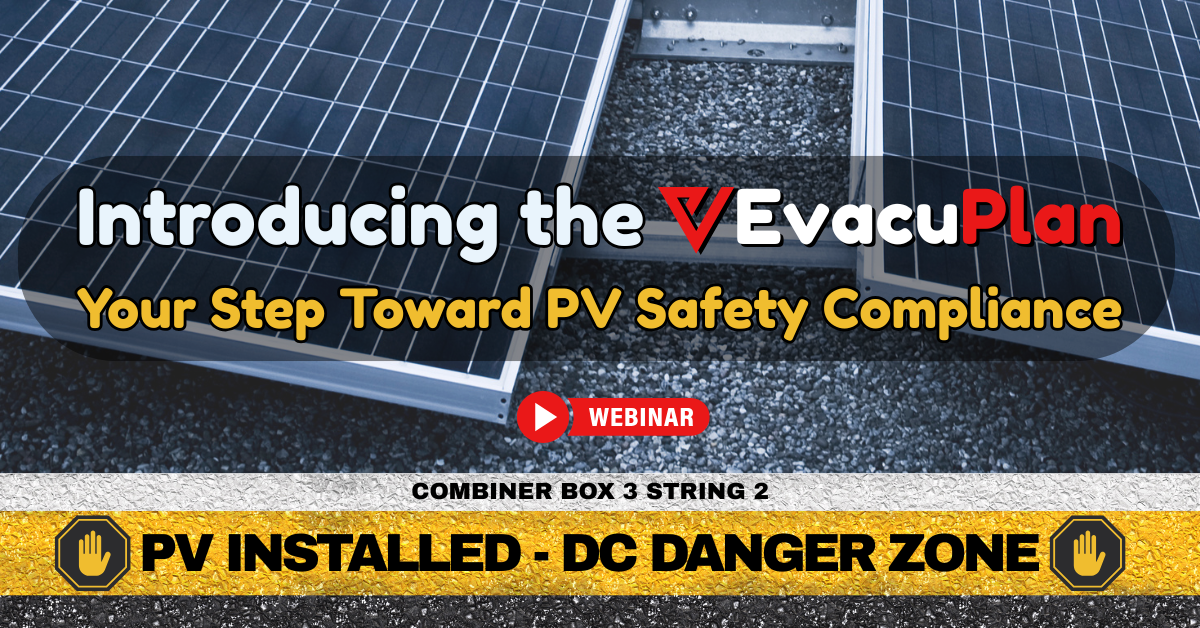
Introducing the PV EvacuPlan: Your Step Toward PV Safety Compliance

Developed by LTV Technologies, the EvacuPlan is a comprehensive, fillable PDF solution already helping businesses and public institutions meet Occupational Health & Safety Act (OHSA) and SANS 10400-T requirements.

The plan covers:

  • 📍 Site-specific PV system information
  • 🧑‍🚒 Designated emergency roles (incl. PV Safety Officer)
  • 📄 Upload sections for CoCs, PV specs, diagrams, and compliance documents
  • 🚪 Evacuation procedures tailored for PV-related risks
  • 📢 Communication protocols and training records
  • 🔌 Isolation strategies, including light-blocking coatings and rapid shutdown devices

The fillable PDF is designed to be immediately useful, even before the full digital system launches.


Going Digital: What’s Coming Next

We are actively developing the EvacuPlan into a full-fledged web application, which will include:

  • SQL-based data storage
  • Role-based login access for safety staff and emergency services
  • API integrations for emergency response systems
  • Geo-tagging and QR-based activation for visitors or staff
  • Auto-reminders for CoC updates, risk assessments, and safety drills

This innovation will transform evacuation planning into an intelligent, automated safety management platform.


Upcoming Webinar Invitation

We’re inviting all PV system stakeholders to join us for an interactive webinar that will:

  • Demonstrate how the fillable PDF already adds value
  • Preview the upcoming web platform
  • Provide insights into compliance challenges and DC safety
  • Create a space for collaboration between O&M providers, schools, hospitals, facility managers, and emergency services

🗓 Date: 2025/06.19
Time: 15h30 to 16h30
📍 Hosted by: LTV Technologies & Supplies
🎟️ Free registrationClick here

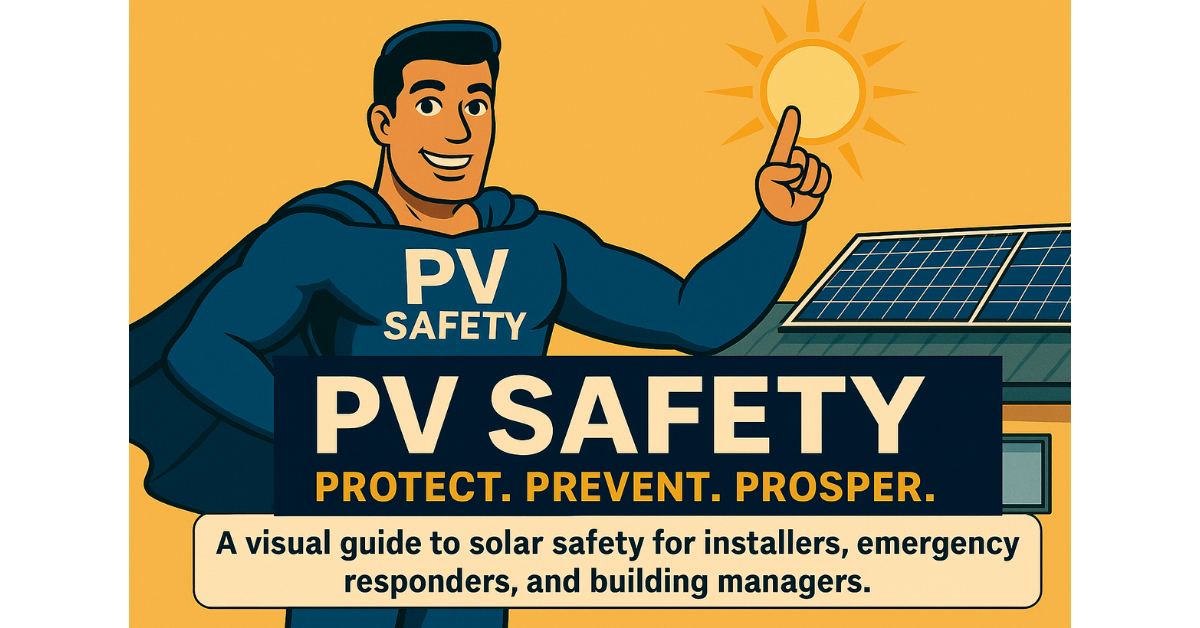
Our PV Safety Comic Booklet: Protect. Prevent. Prosper. Vol 1

In the ever-evolving world of renewable energy, safety remains paramount. At LTV Technologies and Supplies, we’re excited to introduce our PV Safety Comic Booklet, a visual guide designed to raise awareness and promote best practices in photovoltaic (PV) system safety.

Why a Comic Booklet?

Traditional safety manuals can be dense and overwhelming. We wanted to create something engaging and accessible for everyone — from facility managers and safety officers to first responders and homeowners. By using a comic format, we transform critical safety concepts into memorable, easy-to-understand scenes.

What’s Inside?

Each page of the booklet features our PV Safety Superhero guiding you through essential safety steps, including:

  • Understanding DC Danger Zones: Know where the risks are and how to navigate them.
  • Updating Evacuation Plans: Ensure your emergency routes don’t cross energized zones.
  • Training First Responders and Fire Wardens: Equip your teams with the knowledge to act swiftly and safely.
  • Regular Maintenance and Early Detection: Stay proactive with thermal monitoring and risk assessments.
  • Creating Safe Access Points: Maintain safe walkways and buffer zones around PV arrays.

Why This Matters

Photovoltaic systems don’t shut down with a switch. As long as there’s sunlight, there’s energy. This comic booklet reinforces the importance of proactive safety measures to protect lives and infrastructure.

Get Your Free Copy

We invite you to explore the full comic booklet and share it within your network. Let’s work together to make PV systems safer for everyone.

📥 Download and read the full comic booklet below

Thank you for being part of the movement towards a safer, more informed solar future!

#PVSafety #SolarEnergy #SafetyFirst #RenewableEnergy #LTVTech

Big Changes Ahead: How South Africa’s New Tariff Review Could Impact Renewable Energy Prices

Published: April 2025


South Africa’s renewable energy sector is standing at a crossroads.
On 17 April 2025, the International Trade Administration Commission (ITAC) officially launched a review of the customs tariff structure for input materials, components, and final goods across the renewable energy value chain.
This was published in Government Gazette No. 52523 — and you only have 4 weeks to comment!

This review could reshape the cost structure of renewable energy projects in South Africa — and affect everyone from importers and installers to end-users.

Here’s what you need to know:


What Is ITAC Reviewing?

ITAC is looking at whether to:

  • Increase import duties on materials and components where there is potential for local manufacturing.
  • End the duty-free import rebate for solar PV panels once South Africa can meet 50% of its own demand.
  • Create special rebates for inputs not yet manufactured locally.
  • Introduce export controls on critical minerals like nickel, lithium, and vanadium to secure local supply.
  • Apply local content requirements for renewable energy products under the new Public Procurement Act 28 of 2024.

What Could This Mean for You?

StakeholderImpact
ImportersPossible higher costs on components like solar panels, battery cells, copper, aluminium, and electrical equipment.
InstallersShort-term project price increases if local production can’t immediately meet demand — important for ongoing projects!
ConsumersHigher renewable energy prices in the near term, but potential price stability in the long term if local industry grows.
ManufacturersGolden opportunity to grow, partner, and supply locally to both national and African regional markets.

Pros and Cons of the Review

Potential Benefits:

  • Build a strong local renewable industry and create jobs.
  • Attract new investment into South African manufacturing.
  • Protect critical mineral resources like lithium for future technologies.
  • Boost export opportunities into the SADC and African regions.

Potential Risks:

  • Immediate price hikes for panels, batteries, and wind components.
  • Delays in renewable energy projects due to supply shortages.
  • More red tape for importers and project developers.
  • Risk of investor uncertainty if policies are implemented too aggressively.

How to Get Involved — and Why You Should

The future pricing of solar, wind, and storage projects in South Africa could depend heavily on how these new tariffs are implemented.

ITAC is calling for public comments.
This is your chance to raise concerns, suggest solutions, and ensure a balanced approach that promotes both local growth and affordable renewable energy.

You need to submit your comments before mid-May 2025.
Send your submissions to:
📧 pphaswana@itac.org.za
📧 nsikhakhana@itac.org.za
📧 rmolala@itac.org.za

Reference number: ITAC Ref: 21/2024


Final Thoughts

South Africa has a real opportunity to build a world-class renewable energy manufacturing base.
However, if not carefully managed, these tariff changes could slow down our clean energy transition — right when we need it most.

Installers, importers, investors, and the public must have their say to make sure the right balance is struck between protecting local industry and keeping renewable energy affordable and accessible.

Act now. Read the Gazette. Understand the impact. Comment before it’s too late.

AREP Members join this conversation

Date: Tuesday 6 May 2025 from 11h00 to 12h00

Register & Join: Zoom Link
Meeting ID: 820 1127 1361

Passcode: 614175

Eskom Compliance Recognizes PV Fire Risks

Eskom Compliance Update Recognizes Fire Risks in Solar Installations

The latest EGI Compliance Certificate (Rev 8) from Eskom marks a significant milestone for fire safety in the renewable energy sector. For years, industry experts, safety professionals, and insurers have raised concerns about fire hazards in solar installations, and now, Eskom’s compliance framework officially addresses these risks.

This update is particularly relevant for all Small-Scale Embedded Generators (SSEG), as compliance will soon become mandatory. By March 2026, all SSEGs must be registered for compliance or face potential penalties.

Understanding the New Fire & Fault Guidelines (Note 11, Page 8)

Eskom’s compliance update includes clear steps to reduce fire and fault risks in embedded generation systems. These include:

  • Electrical faults should never be extinguished with water. Using water on a live electrical system can cause electrocution and worsen the fire.
  • Generators must be isolated from the Eskom network before shutting down inverters and DC sources. This prevents electricity from flowing back into the system during an emergency.
  • Solar panels must be covered with fire-retardant material or an equivalent technique to prevent them from generating power during a fire or fault condition.

Why This Matters

For years, LTV Technologies & Supplies, as the South African distributor of PVStop, has been actively engaging with fire safety experts, insurers, renewable energy associations, installers, and safety representatives to address these risks. PVStop is the only solution designed specifically to stop solar panels from generating power instantly, making it an essential fire safety tool for solar installations.

With Eskom now recognizing fire and fault risks within its compliance framework, this is a step in the right direction. The focus is shifting from just installation compliance to also ensuring fire safety in PV systems, which will benefit homeowners, businesses, firefighters, and insurers.

Next Steps for Solar System Owners

  • Ensure compliance with Eskom’s new safety requirements before the 2026 deadline.
  • Review your fire safety measures for embedded generation systems, especially in solar installations.
  • Consider using PVStop, a globally recognized fire-retardant solution that instantly stops solar panel generation in emergencies.
  • Stay informed by connecting with LTV Technologies & Supplies or visiting the PVStop Informative Website for updates and solutions.

Conclusion

The recognition of fire risks in solar installations within Eskom’s compliance certificate is a significant moment for the industry. LTV Technologies & Supplies and PVStop remain committed to raising awareness, driving safety innovation, and providing solutions to ensure fire risks in solar energy systems are properly managed.

For more information, reach out to LTV Technologies & Supplies or your nearest PVStop reseller.

Introducing SolarGrade: The Future of Solar Operations Management

DATE : 12/02/2025 11AMUTC+2 via Teams

SolarGrade is a cloud-based field operations management platform tailored for renewable energy professionals, including asset owners, EPCs, and O&M providers focusing on solar and storage sites. The platform streamlines fieldwork by enabling teams to efficiently collect data on-site, which is then transformed into actionable analytics. These insights assist in optimizing asset health, performance, and operations, ultimately enhancing return on investment.

Key features of SolarGrade include customizable reporting, allowing users to generate comprehensive field reports with a single click, and the Planner tool, which facilitates scheduling, task assignment, and progress tracking for on-site activities. The platform’s flexibility and continuous integration of user feedback ensure it adapts to the evolving needs of renewable energy projects.

During our webinar on February 12, 2025, at 11 am, we will provide an in-depth demonstration of SolarGrade’s full capabilities through a live screen-sharing session. Following the presentation, attendees will have the opportunity to schedule personalized meetings with Maria from SolarGrade for further discussions and tailored demonstrations.

Johan Bosman

LTV Technologies and supplies

www.ltvtech.co.za

María Gil Detail

Customer Obsession Hero
M: +34 678 754 308
E: mgil@heliovolta.com
Based in Valencia (Spain) (GMT + 1)
Enhancing PV System Safety with Regular Training

Regular reviews and training are crucial for enhancing PV system safety preparedness.

  • Regular reviews help to ensure that the emergency action plan remains up-to-date and addresses potential hazards.
  • Training ensures that all personnel are familiar with the procedures, understand the risks, and can respond effectively to PV system emergencies.

Specifically, regular review and training can help to:

  • Identify potential hazards: A thorough review of the PV system, conducted regularly, can identify potential safety hazards. This should include considering the risks of fire, electrical shock, and exposure to hazardous materials.
  • Develop effective procedures: Regular reviews allow for the development and refinement of procedures for safely de-energizing PV systems during emergencies. This includes procedures for using Tier 1 solutions Light-blocking solutions like PVSTOP.
  • Train personnel: Training programs should be implemented to ensure that all personnel are familiar with emergency procedures, PV system safety, and the use of specialized safety equipment.
  • Coordinate with emergency services: Collaboration with local fire services is essential to develop a coordinated emergency response plan. Regular reviews can facilitate this coordination and ensure that emergency services are aware of the specific hazards posed by PV systems.
  • Maintain documentation: Accurate and up-to-date documentation is crucial for effective emergency response. Regular reviews should include a review and update of documentation, such as emergency contact lists, system diagrams, and training records.

Key benefits of regular review and training:

  • Enhanced safety awareness: Regular training and drills help to raise awareness of PV system safety and encourage a safety-conscious culture.
  • Improved emergency response: By familiarizing personnel with emergency procedures and safety equipment, regular training can significantly improve the speed and effectiveness of emergency response.
  • Reduced risk of accidents: Through proactive hazard identification and the implementation of effective control measures, regular reviews can significantly reduce the risk of accidents involving PV systems.
  • Compliance with regulations: Regular reviews help to ensure that safety procedures and documentation are compliant with relevant regulations and standards.

Examples of training topics:

  • Types and functionality of solar panels
  • Understanding solar panel connections
  • Shutdown procedures for solar panels
  • Risks associated with PV power plants
  • Safety protocols for first responders
  • Light blocking solution application techniques
  • Lithium battery safety
  • Lead acid battery safety
  • Working at heights safety protocols

By establishing a robust framework that includes regular reviews, comprehensive training, and ongoing collaboration with emergency services, you can create a safer working environment and minimize the risks associated with PV systems.

Essential Solar PV Safety Training

Subscribe to continue reading

Subscribe to get access to the rest of this post and other subscriber-only content.