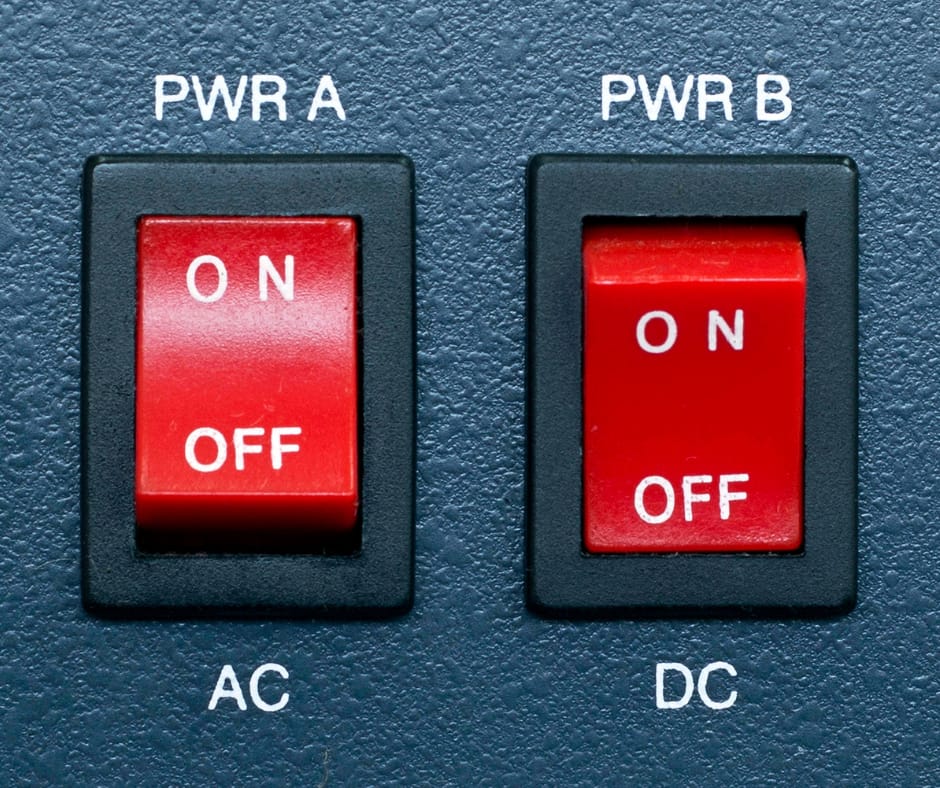
Introduction: Step back in time to the electrifying era of the late 19th century, where the battle between electrical currents sparked a revolution that would shape the modern world. Thomas Edison’s championing of direct current (DC) electrified streets and homes, but it was Nikola Tesla’s invention of alternating current (AC) that illuminated the path forward. Fast forward to today, and we find ourselves at the intersection of history and innovation, as DC makes a comeback in the realm of renewable energy. Yet, amidst this resurgence, it’s crucial to heed the lessons of the past and recognize the safety advantages of AC. Join us as we navigate the complexities of green energy aspirations and electrical safety in the age of DC revival.
The Rise of DC in Renewable Energy: As the world pivots towards sustainable energy solutions, DC technologies are experiencing a renaissance. Solar panels, batteries, and electric vehicles rely on DC power to harness and store renewable energy, driving the transition away from fossil fuels.
Safety Benefits of AC Current: However, amidst the enthusiasm for green energy, it’s crucial not to overlook the safety benefits of AC current. AC systems, with their built-in earth leakage tripping mechanisms and fault detection capabilities, offer unparalleled protection against electrocution and fire hazards.
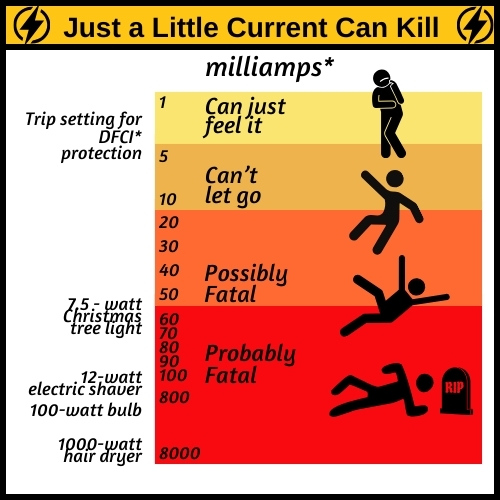
Understanding the Risks of DC: Contrary to popular belief, green energy does not equate to inherently safe energy. DC systems, while efficient and effective for renewable energy generation, pose unique risks that must be understood and mitigated. From the potential for arc faults in PV installations to the fire hazards associated with lithium batteries, DC technologies require careful consideration and safety measures.
Challenging Misconceptions: To ensure the safe and sustainable integration of DC technologies into our energy infrastructure, we must challenge the misconception that green energy is inherently safe energy. Education and awareness are key to empowering consumers, installers, and first responders to navigate the risks and benefits of DC systems responsibly.
Promoting a Culture of Safety: As we embrace the possibilities of renewable energy, let us not forget the lessons learned from the past. By prioritizing safety and investing in education and training, we can ensure that the green energy revolution is not only sustainable but also safe for generations to come.
Conclusion: The return of DC current to the forefront of the energy market presents exciting opportunities for innovation and progress. However, it also underscores the importance of understanding and respecting the safety benefits of AC current. By acknowledging the risks associated with DC technologies and promoting a culture of safety, we can pave the way for a truly sustainable and secure energy future.
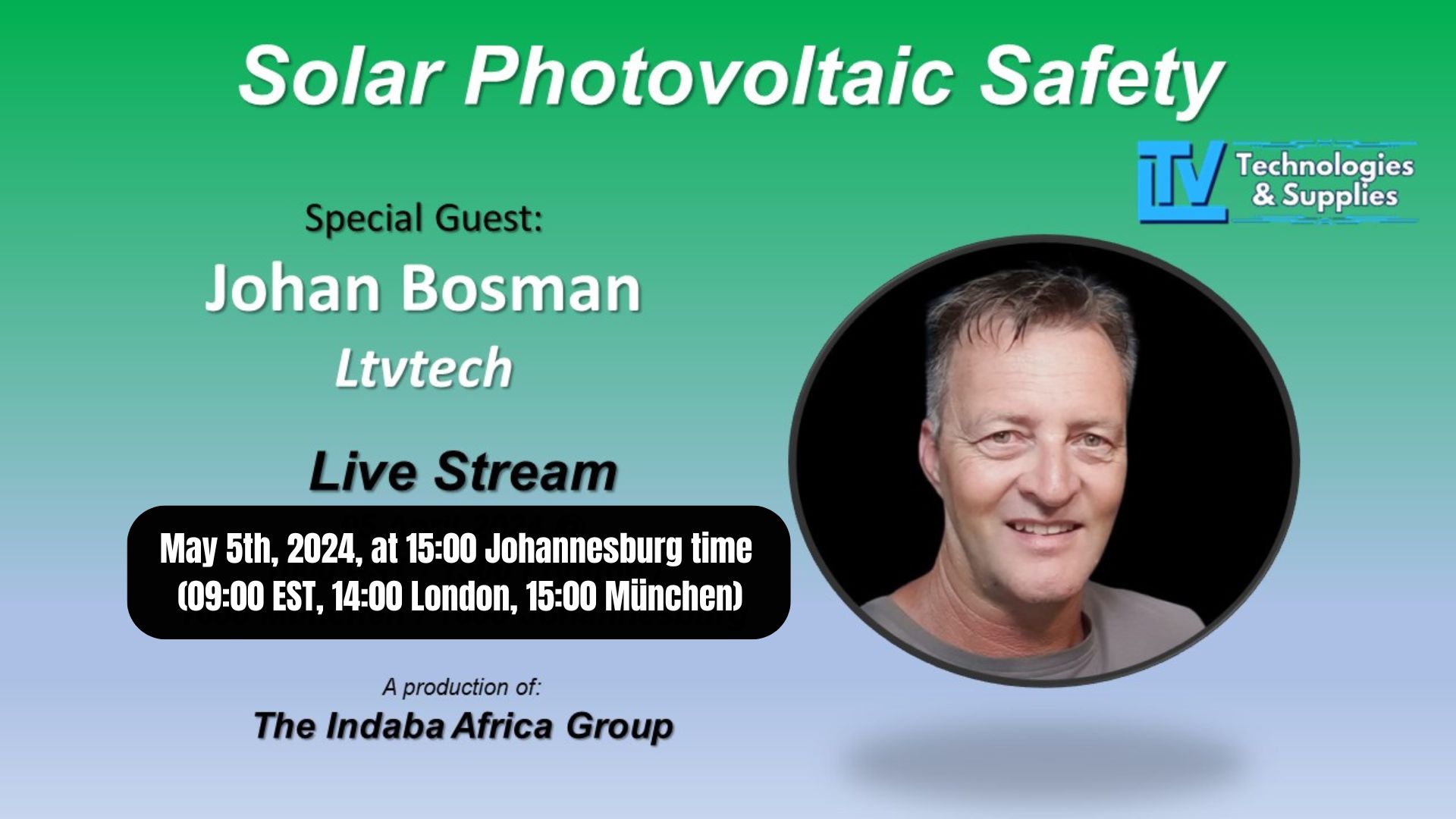
Introduction: As the world embraces renewable energy solutions at an unprecedented rate, it’s imperative to understand the potential risks associated with these technologies. Join us for an illuminating discussion as we delve into the critical topic of PV Safety Awareness, hosted by Colonel Chris Wyatt, Director of African Studies..
Event Details: Date: Sunday, May 5th, 2024 Time: 15:00 Johannesburg time (09:00 EST, 14:00 London, 15:00 München) Location: Colonel Chris Wyatt’s YouTube Channel
About the Event: With renewable energy adoption skyrocketing in South Africa and across Africa, it’s vital to address the inherent risks associated with photovoltaic (PV) systems. This event will provide a platform to explore strategies for preventing potential hazards and promoting PV safety.
Featured Guest: Johan Bosman, Managing Director of LTV Technologies and Supplies, as. With his extensive experience and dedication to PV safety, Johan will share valuable insights into the importance of implementing robust safety measures in the renewable energy sector.
Key Discussion Points:
Understanding the risks associated with PV systems and DC current
Exploring innovative solutions like PVStop for preventing fires and safeguarding lives
Promoting education and knowledge sharing to empower consumers and installers
Discussing collaborative efforts to enhance PV safety in South Africa and beyond
Why Attend? By participating in this event, you’ll gain invaluable knowledge about PV safety and contribute to the promotion of safer practices in renewable energy. Whether you’re a homeowner, installer, or industry enthusiast, this discussion is essential for anyone interested in the future of sustainable energy.
How to Join: To join the conversation, simply subscribe to Colonel Chris Wyatt’s YouTube channel and tune in at least 10 minutes before the event begins. The live discussion link will be available on the day of the event.
Conclusion: Don’t miss this opportunity to engage in a thought-provoking dialogue on PV safety awareness. Together, we can work towards building a safer and more sustainable future for all. Mark your calendars and join us on Sunday, May 5th, 2024, for an event that promises to inspire change and drive progress in renewable energy safety.
At LTV Technologies and Supplies, our mission is to prioritize safety in solar installations, ensuring that renewable energy systems remain not only efficient but also secure. As part of our commitment to this mission, we proudly introduce Thermarestor®—a groundbreaking solution designed to prevent fires within electrical installations, including solar panel combiner boxes, AC protection boxes, and distribution boards.
Thermarestor®: Enhancing Safety in Solar Installations: Thermarestor® represents a significant step forward in protecting electrical distribution equipment from potential hazards such as high resistance connections (HRC) and overload conditions. By responding to temperatures of 80ºC ± 5°C, Thermarestor® swiftly activates its safety mechanisms, preventing fires before they escalate. Whether installed as a multi-point sensor or a single-point sensor, Thermarestor® offers reliable thermal protection, with quick and easy installation and compatibility with fire alarm and security systems.
The Importance of Safety in Solar Energy: Solar installations play a crucial role in our transition to sustainable energy sources. However, the inherent risks associated with electrical systems cannot be overlooked. From domestic consumer units to commercial distribution boards, the potential for fires due to faulty connections or overload conditions poses significant threats to both property and lives. It is imperative to implement robust safety measures to mitigate these risks and ensure the continued reliability and safety of solar installations.
MetaCom Communicator: Real-Time Monitoring for Enhanced Safety: In addition to Thermarestor®, our commitment to safety extends to real-time monitoring solutions such as the MetaCom Communicator. This standalone GSM module provides instant notifications of potential issues, allowing for timely intervention and prevention of emergencies. With its versatility and ease of installation, the MetaCom Communicator complements Thermarestor® by offering comprehensive monitoring capabilities for various technical installations.
Vision and Mission of LTV Technologies and Supplies: At LTV Technologies and Supplies, we envision a future where renewable energy systems not only provide sustainable power but also prioritize safety and reliability. Our mission is to lead the charge in implementing innovative solutions like Thermarestor® and MetaCom Communicator to ensure the safety of solar installations across the globe. By partnering with us, stakeholders in the renewable energy sector can rest assured that their investments are protected and their operations remain secure.
Conclusion: As we continue to embrace renewable energy solutions, it is essential to recognize the importance of safety in solar installations. With products like Thermarestor® and MetaCom Communicator, LTV Technologies and Supplies are at the forefront of enhancing safety standards in the renewable energy sector. Together, let us build a future where solar energy not only powers our world sustainably but also keeps us safe and secure.
The bustling halls of the Gallagher Conference Centre in Midrand, Johannesburg, set the stage for an electrifying event – the Solar & Storage Live and The Future Energy Show Africa 2024, held from March 18th to 20th. As representatives of LTV Tech, we had the privilege of immersing ourselves in the latest advancements and innovations within the renewable energy sector. Here, we share our insights and experiences from this remarkable exhibition.
First and foremost, let’s commend the organizers on selecting the perfect venue for this event. The Gallagher Conference Centre provided ample space for exhibitors and attendees alike to navigate comfortably. Crowd control measures ensured a smooth flow of foot traffic, guiding visitors through the various halls in a one-way direction. However, I found it somewhat challenging to go outside, requiring a circuitous route to re-enter the exhibition halls. While I understand the rationale behind this approach, it did prove to be a minor inconvenience.
Despite this minor hiccup, the overall planning and execution of the event were commendable, earning a solid rating of 9 out of 10 in our books.
Attendance figures for the exhibition remain a point of curiosity, particularly as the venue never felt overcrowded. In fact, there were moments of tranquility, especially towards the back of each hall. This observation raises questions about the effectiveness of exhibitors’ engagement strategies and highlights the need for innovative approaches to attract and retain visitor interest.
From a product standpoint, the exhibition showcased a remarkable evolution in technology and offerings within the South African market. Switchgear, safety, and risk solutions are our specialty at LTV Tech, and while we were pleased to see a notable presence of Rapid Shutdown switches and other companies exhibiting their DC Switchgear compared to the previous year, it’s essential to acknowledge that inverters, solar panels, and lithium batteries took center stage at the exhibition. Despite the prominence of these larger components, it was disheartening to observe a lack of attention towards smaller components such as switches, breakers, and fuses, despite their critical role in safeguarding solar energy systems and property. This observation was made based on interactions with attendees who may not have explored the full breadth of quality products and the technology behind them.
Rapid Shutdown devices emerged as a focal point of discussion, with several exhibitors showcasing their solutions. Yet, there appeared to be a hesitancy among attendees to inquire about these vital safety components. This reluctance underscores the importance of raising awareness and education around such technologies, especially in a market like South Africa, where safety concerns are paramount.
As a provider of safety solutions, LTV Tech remains committed to promoting early detection, protection, and prevention measures in PV systems. Our flagship product, PVStop, offers a simple yet effective solution for safely de-energizing solar panels, mitigating risks associated with voltage and current exposure. While our focus on safety resonated with attendees, we also recognize the need for continued advocacy and education within the industry.
In addition to our observations, it’s worth highlighting the significance of our relationships with suppliers and manufacturers, which played a pivotal role in their presence at this remarkable event. One such example is our collaboration with YRO Electric, a trusted supplier and manufacturer, who showcased their Rapid Shutdown Devices, including both the String and modular types.
Recognizing the importance of these safety solutions in the South African market, I took the initiative to engage with visitors and encourage discussions about the technology. Despite not being mandatory in South Africa, these devices offer a crucial solution to potential hazards, as demonstrated by real-life scenarios where de-energizing solar panels could have prevented property damage and protected lives.
Our close partnerships with manufacturers like YRO Electric underscore the value of collaboration in advancing safety and innovation within the renewable energy sector. Their presence at the exhibition reflects a shared commitment to addressing critical needs and promoting responsible practices within the industry.
In addition to our physical presence at the exhibition, we leveraged social media platforms such as TikTok to engage with a broader audience. Our live sessions provided followers with exclusive insights into the latest products and technologies, facilitating direct interaction with exhibitors and addressing specific inquiries. See some interview videos below
In conclusion, we extend our gratitude to the organizers, sponsors, exhibitors, and attendees who contributed to the success of Solar & Storage Live and The Future Energy Show Africa 2024. The exhibition served as a platform for meaningful dialogue and collaboration within the renewable energy sector. As we reflect on our experiences, we remain optimistic about the future of solar energy in Africa and look forward to continued innovation and progress in the years to come.
At LTV Technologies and Supplies, as distributors specializing in safety products and solutions for emergency prevention, detection, and resolution within the renewable energy sector, particularly solar installations in South Africa, we welcome the discourse on solar installation safety. Recognized for our expertise in mitigating risks inherent to solar panels, inverters, and batteries, we prioritize ensuring the utmost safety in renewable energy practices.
This Article from Eyewitness News by Amy Fraser5 March 2024 | 17:11 l (Link below)
The solar industry presents a promising pathway towards sustainable energy solutions. However, the rapid global expansion of solar installations, driven by the pressing targets set by countries committed to the United Nations Development as outlined in the Paris Agreement, can inadvertently tarnish its reputation. In South Africa, this urgency is echoed in our National Determined Contribution (NDC) under the Paris Agreement.
PVStop, Thermarestor®, Arcbox, Rapid Shutdown String Types ana Modular Types, Non Ploarity MCB’s are only a few of our key products, vital for ensuring safety in solar installations. However, entering new markets poses challenges, particularly in accurately capturing data on fire incidents related to solar systems. Often, such incidents are not reported separately but lumped under generic categories like electrical failure or fire, making it difficult for insurance companies to recognize them as specific risks.
Certification processes, such as the Certificate of Compliance (COC) for solar installations, may not fully capture all necessary safety requirements due to gaps in regulations and grey areas. With the rapid growth of the solar industry, fueled by investments reaching R17.5 billion in 2023, adherence to safety standards becomes even more critical.
The issue is compounded by the shortage of qualified personnel and the use of inexperienced workers in solar installation projects. This, combined with the evolving technology outpacing regulatory frameworks, creates an environment where safety measures struggle to keep up.
As highlighted by Wynand Engelbrecht, Fire Chief at Fire Ops SA, incidents involving solar installations are on the rise due to faulty connections and inadequate expertise. It’s imperative to focus on prevention, maintenance, and upgrading systems to mitigate potential risks. Technologies like thermography can also play a significant role in identifying potential hazards before they escalate into fires.
In conclusion, while solar power offers immense benefits, it’s essential to address the associated safety concerns proactively. By collaborating with stakeholders and prioritizing safety measures, we can ensure that solar energy remains a reliable and secure source of power for all.
This question arises due to concerns about the potential risks associated with solar panels in the event of a fire.
In recent years, solar energy has emerged as a sustainable and efficient alternative to traditional power sources. As more individuals and businesses embrace solar technology, it’s essential to address concerns regarding safety, particularly during emergencies such as fires. In this article, we’ll explore some key considerations surrounding solar safety and introduce effective solutions to mitigate risks.
Understanding the Risks:
One of the primary concerns with solar installations is the risk of electrical hazards during fires. Unlike conventional power sources, solar panels continue to generate electricity even when exposed to flames, creating a potential danger for firefighters and bystanders. The presence of live wires and energized equipment can complicate firefighting efforts and increase the likelihood of electrical shock or injury.
Mitigating the Risks:
To address these risks, it’s crucial to implement effective safety measures that can quickly and efficiently deactivate solar panels during emergencies. One such solution is PVStop, a liquid blanket designed to safely de-energize PV panels in the event of a fire. By applying PVStop (see the video) to the affected area, emergency responders can mitigate electrical hazards and enhance the safety of firefighting operations.
Training and Awareness:
In addition to deploying safety solutions, proper training and awareness are essential for ensuring the safety of solar installations. Firefighters and other emergency responders should receive comprehensive training on how to identify and manage electrical hazards associated with solar panels. This includes understanding the unique characteristics of solar technology and implementing appropriate safety protocols during firefighting operations. (PVStop Training)
Regulatory Compliance:
Regulatory agencies and industry standards play a crucial role in ensuring the safety of solar installations. Companies operating in the solar industry must adhere to relevant regulations and standards to minimize risks and ensure compliance with safety guidelines. By prioritizing regulatory compliance, businesses can demonstrate their commitment to safety and provide peace of mind to customers. Please see “PV System: how to ensure safety during normal operation p.5
Proposed Interim Guideline for the wiring of LV grid-embedded PV installations not exceeding 1000kVA in South Africa (This guideline should only be used until a national standard is in place)
Please see “PV System: how to ensure safety during normal operation” p.5
As the demand for solar energy continues to grow, it’s imperative to prioritize safety and implement effective solutions to mitigate risks. By understanding the potential hazards associated with solar installations and deploying appropriate safety measures, we can enhance the safety of solar systems and protect lives and property in the event of emergencies.
Linkedin Post Link – By Jamie Berryman Chief Sales Officer at Viridian Solar
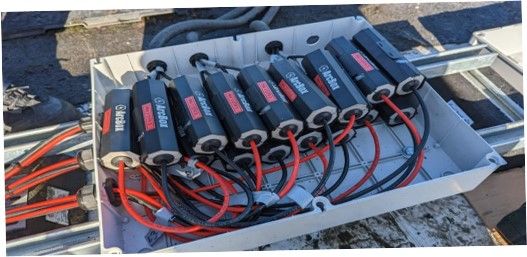
Since the turn of the year, the demand and specification for Arcbox Solar Connector Enclosure in the commercial sector have gone wild.
We are now seeing Arcbox Solar Connector Enclosure being put forward for some of the UK’s largest commercial PV installations, and contractors are now taking extra steps to make the industry safer. We are now hearing of insurance companies mentioning the Arcbox Solar Connector Enclosure.
Arcbox
Reducing Fire Risks in Solar PV with ArcBox Solar Connector Enclosure
As the solar industry continues to grow, ensuring safety is paramount. Let’s dive into why including the Arcbox Solar Connector Enclosure is crucial for…
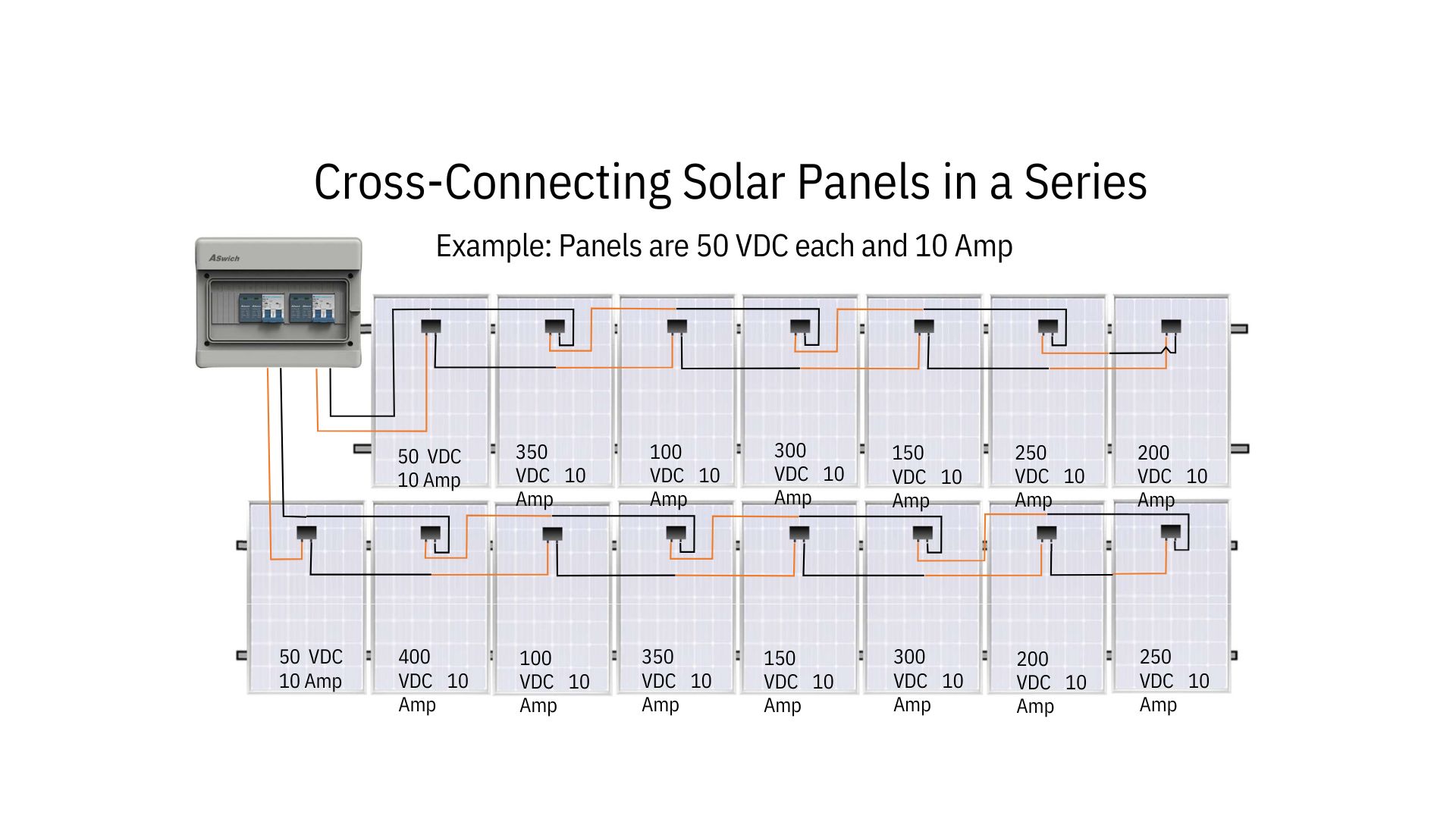
In the ever-evolving world of solar energy, the way we connect solar panels plays a pivotal role in optimizing efficiency, durability, and overall system performance. Traditional panel-to-panel connections have long been associated with challenges ranging from cable management issues to uneven lengths and maintenance concerns. This article explores a groundbreaking approach — the cross-connection method — and sheds light on the myriad advantages it brings to the table.
Optimizing Cable Lengths for Longevity
One of the primary challenges faced with traditional connections is the extended length of negative wiring, exposing it to the elements and potential damage. The cross-connection method tackles this issue head-on, eliminating unnecessary cable lengths and reducing vulnerability to weather-related wear and tear.
Streamlining Installation with Reduced Accessories
Extra cable clips and ties are common necessities in conventional panel configurations, often leading to increased complexity and durability concerns. By embracing cross connections, the need for additional accessories is significantly reduced, simplifying the installation process and enhancing the overall robustness of the system.
Achieving Consistency in Cable Lengths
Uneven cable lengths, particularly between positive (Red) and negative (Black) connections, can disrupt the balance of a solar panel system. Cross connections offer a solution by ensuring consistent cable lengths, promoting uniformity and optimizing the overall performance of the array.
Minimizing Maintenance Challenges
Maintenance is a critical aspect of solar panel ownership, and traditional connections may pose challenges in terms of potential cable damage during routine checks or repairs. The cross-connection method minimizes these challenges, contributing to a more reliable and sustainable solar energy system.
Elevating Cable Management Efficiency
Efficient cable management is often underestimated but is crucial for a well-organized and visually appealing solar panel array. Cross connections facilitate streamlined cable routing, making it easier to manage access cables from panels and contributing to a cleaner and more organized installation.
Universal Compatibility for Varied Panel Designs
Not all solar panels are created equal, and certain designs, such as Longi panels, may not seamlessly integrate with cross connection. The cross-connection approach offers universal compatibility, accommodating various panel designs and ensuring a versatile solution for diverse solar installations.
Maximizing System Efficiency
Beyond addressing specific challenges, the cross-connection method optimizes system efficiency by promoting a more even distribution of electrical currents. This results in enhanced overall performance across the solar panel array, translating into increased energy yield and cost-effectiveness.
Economical Cable Usage for Cost Savings
By eliminating unnecessary cable lengths, the cross-connection method not only enhances system efficiency but also contributes to cost savings through more economical cable usage. This makes solar energy more accessible and financially viable for a broader range of applications.
Simplified Installation Process and Enhanced Aesthetics
The straightforward design of cross connections simplifies the installation process, making it more user-friendly and efficient. Additionally, the cleaner layout enhances the visual appeal of the solar panel system, aligning with the growing emphasis on aesthetics in renewable energy installations.
In conclusion, the cross-connection method emerges as a game-changer in the realm of solar connectivity. By addressing common challenges associated with traditional panel-to-panel connections, it paves the way for a more efficient, durable, and visually pleasing solar energy future. As the world continues to embrace sustainable energy solutions, the cross-connection method stands at the forefront, reshaping the landscape of solar panel installations.
Renewable energy is safe by design. It is there to make the world a better place, greener, and save on CO2 pollution. The U.S. Energy Information Administration (EIA) projects a historic milestone in 2024 as combined electricity generation from wind and solar is set to surpass coal for the first time on record. [see the article]
As I write this in South Africa,Recent data by Eskom suggests that from March 2022 until the first quarter of 2023, the amount of electricity generated by Small-scale Embedded Generation (SSEGs) in the form of solar panels has risen 350%. [see the article] All countries differ in regulations and installation methods. The entire world is striving to adopt the safest possible approach, considering factors such as the environment, voltage systems used in different countries, governance, etc.
Now, let’s examine a system that came close to complete destruction. However, before doing so, let’s explore some facts about solar systems and the risks that arise, even with a well-done installation by professionals according to specifications.
We need to understand that not all installed systems are done correctly according to designs. There are a few reasons for this:
Firstly, there is always a human factor involved, and people make mistakes (this is one of the topics we will explore).
Hot Connections
Not fully trained personnel in the installation team
MC4 Connections
And more
Not using Quality DC Products and still using AC products that can handle a certain amount of DC Current or Voltages.
Polarity breakers not installed correctly
Non-Polarity breakers designed for DC are available, eliminating confusion on the flow of current. [YouTube Video]
Polarity breakers, can not be disconnect under load, make it confusing for customers in emergencies situations.
MC4 connections are the weakest link in solar array systems. A solution called the Arcbox[website], made of fire refractory materials, safeguards against failures. If they fail, the Arc fire will be contained inside the Arcbox, potentially saving the system and property from being burned down.
Maintenance is crucial. With overwhelming demand, installation companies can’t always get to maintenance promptly. Training for installation can take years, but there needs to be less technical training for companies to perform maintenance and report serious issues to professionals.
Damaged panels should be taken seriously, as there is a misconception that they are not dangerous, only affecting the system’s performance. Maintenance must check the system and make it urgent to replace any damaged panels or parts on the PV Systems. [YouTube Video]
Thermography must become a part of any installation, using infrared to detect problems that the naked eye and even instrumentation might struggle to detect. [YouTube Video]
Now, let’s examine a situation that happened in South Africa in December 2023. We have the authority to use the footage and background of this insurance claim for educational purposes, without disclosing any personal information.
According to the information we have received, a 150kw 3-phase High Voltage system with 3 x 50KW Hybrid inverters and battery backup on a farm in Limpopo province had a fire in the inverter room. They have used 7 x fire extinguisher didn’t completely stop the flames, as for the the installer from Johannesburg (200km) was too far away to assist. The fire kept reigniting after extinguishing it.
The installer advised cutting the live power cable at the panel array. A local installer was contacted, who cut the positive of the array to stop arcing and extinguished the fire. Fortunately, no one was electrocuted. After cutting the wires, the fire was contained and eliminated.
Their conclusion was that the arcing took place inside the conduit duct entering the inverter room, thereby I do not agree, Although this is the only information we can work with, we can make our own conclusions based on the given photos for learning purposes.
For this incident, Rapid Shutdown Devices (Fireman Safety Switch) could have been used to disconnect the panels beyond the point of the fire quickly and safely. These devices are not mandatory in South Africa but can add value and safety. There are two main types:
String Type Rapid Shutdown devices (RSD)[YouTube Video] – They come in different sizes depending on where they will be installed and how many strings. They can switch off by the RSD or via an installed cable where needed. They will also switch off immediately when reaching 70 degrees Celsius.
Modular Type Rapid Shutdown Device (RSD)[YouTube Video] – They are installed very close to the panels themselves via MC4 Connections. They come in different types and sizes to meet specific needs.
Although these Rapid Shutdown devices systems would be able to disconnect to a certain point, they can’t switch off the panels. They are not mandatory in South Africa, but in some countries and states in the USA, Singapore, Thailand etc. they are mandatory. Concerns about this include the risk of adding connections on the cables coming from the panels. String Types RSD requires exact MC4 Connectors from the manufacturers to ensure a perfect match on the MC4 connections, most will include it within the box, but if not make sure from your supplier to buy it separate to make a perfect connection.
In this particular incident, either type of Rapid Shutdown device could have disconnected the panels beyond the fire point. The String Rapid shutdown Device can also now be installed where they cut the wires at a very risky and extremly dangerous attempt. Cutting live wires with lethal amounts of volts and amps was risky and now leading to recommendation of the complete replacement of all wires, rusulting to a very high and risky disconnect. On this it was estimated on 8000m of cabling.
Another option would be to block out the sun using a product called PVStop.[Website] It comes in a fire extinguisher that sprays a black polymer over the center of the panels, bringing the voltage and amps to a very low level by blocking out the sun. This can minimize damage and risks, especially in large systems.
The report suggested that the fire started inside the conduit entering the inverter room, possibly due to damaged wires during installation or rodents chewing the cables. However, based on pictures, the suspicion and conclusion were that it started inside the PV Combiner box, possibly at the bottom of the DC Mini Circuit breaker.
This could be caused by a hot connection, loose exposed wires not using bootlace ferrules, or the use of polarity breakers. Polarity breakers, if used, could have caused the ignition if the flow of the current was disconnected incorrectly.[YouTube Video] AC fuses used in the combiner box are also dangerous if they fail, especially at high voltage.
Quality of components inside PV Combiner boxes is crucial, and some installers try to save money here, risking the system’s safety. Using thermal technology after installation and during maintenance can detect problems early, especially with direct current, which is often underestimated.
To prevent re-ignition risks, additional safety features like a DC Moulded Case Circuit breaker between the PV Combiner box and the MPPT Charge controller of the inverter can be added. This would disconnect the system in emergencies without cutting any wires.
All cables need replacement after such incidents, and it’s safer to replace them all rather than risk missing something that could lead to future issues. The same goes for PV solar cables after cuts made outside at the solar panels. MC4 Connections at the cuts, with an added Arcbox, can protect against risks like bad connections and erosion.
Another option is to add a Rapid Shutdown Device – String Type at the place where the cables were cut. This would add value and safety for future emergencies and maintenance inside the PV Combiner box.
Although fires with solar systems are rare, it takes only a small fault or damaged component to cause significant damage and risk serious injury or loss of life. Investigating these incidents thoroughly is crucial to making systems safer and eliminating risks in the future. It is essential to implement solutions like PVStop in emergency situations to safely de-energize systems and prevent further