At Bow + Arc Developments, we are committed to acquiring, developing, and operating design-led properties that cater to a forward-thinking generation across South Africa. When LTV Technologies introduced us to their PV Safety solutions and their comprehensive PV EvacuPlan, we were impressed by the level of detail and the forward-looking approach they provided.
The PV EvacuPlan offers a well-structured, step-by-step guide that complements standard evacuation plans, specifically addressing the risks associated with PV installations. This tailored solution ensures that all essential information—such as emergency contacts and system specifications—is centralized in one document, crucial for efficient action during emergencies. The plan’s focus on having a dedicated PV Safety Officer on-site to liaise between installers, maintenance teams, and emergency services is invaluable, particularly in scenarios involving fire risks or exposure to the DC Danger Zone of PV modules.
While the PV EvacuPlan doesn’t replace existing regulations or evacuation protocols, it serves as an essential add-on that enhances safety and preparedness for properties with solar installations. The clear and practical guidance it provides is unmatched in helping us understand the unique risks posed by PV systems.
We strongly recommend that developers, property owners, schools, hospitals, old age homes, prisons, and body corporates with PV installations consider integrating the PV EvacuPlan into their existing safety frameworks. LTV Technologies not only brings this exceptional resource to the table but also offers broader solutions to help mitigate risks associated with solar PV systems.
The guidelines provided by EvacuPlan are developed by specialists in PV safety, including our partners in prevention and mitigation and leaders in PV product development. We have identified a gap in current evacuation plans concerning PV module and backup system installations. Our guidelines aim to address the dangers associated with the DC danger zone that comes with PV installations. Please Note:
No Current Regulations: As of now, there are no specific regulations regarding evacuation plans for PV systems. Our guidelines serve as a supplementary tool to existing evacuation plans, highlighting the unique risks and safety protocols related to PV installations.
Scope of Guidelines: While regulations and compliance for commissioning a PV system exist and contribute to overall safety, they do not cover the specific procedures and risks associated with emergencies, particularly fires, that directly or indirectly involve PV systems.
Purpose of Guidelines: Our guidelines are designed not only to comply with the best safety protocols for de-energizing PV systems during emergencies but also to educate end users. They emphasize the importance of taking responsibility for maintenance, fostering good relationships with emergency services, and ensuring that all parties implement and practice these procedures as required by evacuation regulations.
DISCLAIMER:
The guidelines provided by EvacuPlan should be used as a reference to enhance existing evacuation plans and should not be considered a substitute for professional advice or official regulations.
Every company or individual must ensure their evacuation plans comply with local laws and regulations. It is the responsibility of the user to verify and adhere to their local legal requirements.
Users are responsible for ensuring their evacuation plans are compliant with local laws and regulations and are encouraged to consult with professional safety advisors.\
LTV Tech and its partners do not assume liability for any damages or losses resulting from the use of these guidelines. Users are encouraged to practice and regularly update their evacuation plans in collaboration with local emergency services to ensure optimal safety.
For further assistance or consultation services, please contact us at info@ltvtech.co.za We offer on-site or online consultations, depending on your location
South Africa’s energy landscape has been tumultuous, with load shedding becoming a constant companion for many citizens. While load shedding may currently be less of an issue, the underlying problem of electricity affordability continues to worsen. As highlighted by Codera Analytics, Eskom’s average tariffs have surged by 408% since 2010, a rate that far outstrips the increase in consumer prices over the same period. With electricity becoming increasingly unaffordable for most South Africans, many are looking towards solar photovoltaic (PV) systems as an alternative. However, this transition comes with important safety considerations that need to be addressed, especially now that demand for PV systems has fluctuated.
The Solar PV Market: Fluctuations and Future Demand
Financial institutions are playing a pivotal role in this expected resurgence by offering rent-to-own models, which lower the barrier to entry for PV systems. These solutions allow more South Africans to make the switch, providing relief from both high tariffs and future energy uncertainty. However, with this expected growth in the PV sector, there is an urgent need to focus on safety.
PVStop: A Vital Solution for PV Safety
One of the most effective solutions in addressing PV system safety is PVStop, a cutting-edge technology that has been validated and adopted globally by firefighting teams in the UK, USA, Singapore, and Australia. This solution is specifically designed to neutralize the inherent risks associated with PV systems during emergency situations.
The PVStop solution is integral to enhancing the safety of first responders and civilians during fires, floods, or other emergencies where PV panels are present. By safely de-energizing PV systemsVideos – PVStop, PVStop prevents the dangerous flow of DC electricity, which can pose serious risks to anyone involved in an emergency response, including firefighters.
A Methodology for Safety: Detect, De-energize, and Extinguish (Waterless)
At the heart of the PVStop solution is the “Detect, De-energize, and Extinguish (waterless)” safety methodology. This methodology reflects the best practices in risk control and prioritizes elimination of the hazard, which is the first priority according to the Hierarchy of Risk Controls.
Rather than relying on personal protective equipment (PPE), which is the fifth and last line of defense, PVStop focuses on neutralizing the danger at its source—by de-energizing the PV panels before they can pose a threat. This proactive approach ensures that the risk is mitigated, allowing firefighters to work in a safer environment, and reducing the chance of secondary hazards caused by the energized PV systems.
Safety: An Urgent Focus Amid PV Adoption
As the PV market continues to evolve, safety risks associated with PV systems must be addressed, especially now that demand is more tempered, offering an opportunity to assess, refine, and improve safety standards. The recent dialogue initiated by AREP (African Renewable Energy Practitioners) concerning fire prevention and suppression guidelines for solar PV systems is a crucial step in this direction. Collaboration between various sectors, such as occupational health, fire safety, and the PV industry, is essential to ensure the safety of occupants, employees, students, and patients in buildings where PV systems are installed. Sapia has also looked deeper into it with an excellent presentation that’s available online, presented by Shane Erasmus on 20 February 2024 [Download]
When PV systems are installed, they change the dynamics of evacuation plans, particularly during emergencies such as fires, floods, or natural disasters. In the event of a fire, PV panels can remain energized, creating dangerous DC “danger zones” that pose additional risks to both occupants and first responders. While we do not suggest that PV systems themselves are the primary cause of fires, there is growing evidence and statistics indicating that when a fire occurs, PV systems can become involved, exacerbating the risks.
This is why it is essential to prioritize collaboration across sectors—from PV installers to fire safety experts, health and safety officers, and building managers. Each sector has a role to play in ensuring that PV systems are safely integrated into our energy infrastructure. Evacuation plans must now account for the presence of PV panels and their associated risks during emergencies.
A Forward-Thinking Approach to PV and Safety
The dialogue that AREP and other institutions and associations has started is an important step forward, but there is still much work to be done. Now, while the demand for PV installations is less urgent due to the current absence of load shedding, is the ideal time for the industry to make significant progress in safety standards. We have an opportunity to proactively address the potential risks, rather than waiting for another surge in installations to prompt further discussion.
The broader renewable energy sector must recognize that while the shift to solar energy is inevitable, safety standards must evolve in parallel. Occupational health, safety guidelines, and stringent risk mitigation measures should be embedded within the PV installation process, ensuring that all stakeholders—from homeowners to large commercial entities—are adequately protected.
Conclusion
South Africa’s electricity crisis has pushed the boundaries of energy security, with rising tariffs and load shedding propelling the adoption of solar PV systems. As we anticipate a revival in the PV market due to soaring electricity costs and more accessible financing models, safety must take center stage.
The collaboration initiated by AREP presents an important opportunity to shape the future of renewable energy safety in South Africa. Whether it’s planning for fire emergencies or ensuring proper risk control in public spaces, now is the time to address these challenges head-on, ensuring a safer, more resilient energy future for all.
The Essential Addition to Your Emergency Preparedness Plan
In an era where sustainability and safety converge, the integration of solar photovoltaic (PV) systems in buildings is becoming increasingly common. As schools, businesses, and residential complexes embrace renewable energy, the need for comprehensive safety measures has never been more critical. Enter PV EvacuPlan – the groundbreaking solution designed to seamlessly integrate with your existing emergency preparedness plan, ensuring the utmost safety for all building occupants.
Why PV EvacuPlan is Essential
1. Enhanced Safety for Modern Buildings
PV EvacuPlan addresses the unique challenges posed by PV systems during emergencies. Traditional evacuation plans often overlook the complexities introduced by solar installations, such as the risk of electrical shock or the difficulty in de-energizing the system. PV EvacuPlan provides a structured approach to manage these risks, ensuring a safer evacuation process.
2. Safe De-Energization with Light Blocking Coating
One of the standout features of PV EvacuPlan is the innovative solution to safely de-energize PV panels using a light-blocking coating. This coating effectively blocks sunlight from reaching the PV panels, thereby preventing electrical generation and eliminating the risk of electrical shock during emergencies. This is the best and only effective solution to ensure the safe shutdown of solar installations, providing a critical safety measure that enhances the overall effectiveness of your emergency plan.
3. Legal Compliance and Risk Mitigation
Compliance with safety regulations is not just a legal obligation but a moral imperative. The Occupational Health and Safety Act (OHSA) and SANS 10400 Part T set stringent standards for workplace and building safety. PV EvacuPlan helps you meet these requirements by incorporating specific protocols for managing PV systems during emergencies, thereby mitigating legal risks and enhancing overall safety compliance.
4. Comprehensive Emergency Management
PV EvacuPlan goes beyond basic evacuation procedures. It includes detailed guidelines for:
De-Energizing PV Systems: Utilizing light-blocking coatings to ensure the safe shutdown of solar installations.
Marking Danger Zones: Highlighting DC Danger Zones associated with PV systems to prevent electrical hazards.
Role Assignments: Designating specific roles such as PV System Safety Officers and Communication Officers to streamline emergency response.
Working at Heights: Providing solutions and training for safely accessing and maintaining PV systems installed at heights.
5. Regular Training and Drills
Effective emergency management hinges on preparedness. PV EvacuPlan emphasizes the importance of regular training and drills, ensuring that all personnel are familiar with the evacuation procedures and PV system safety protocols. This proactive approach reduces panic and confusion during actual emergencies, safeguarding lives and property.
Real-World Applications
Schools and Educational Institutions
In schools, the safety of students and staff is paramount. PV EvacuPlan ensures that everyone is well-prepared to handle emergencies involving PV systems, providing peace of mind to parents and educators alike. Regular drills and clear communication channels are established, making the evacuation process smooth and efficient.
Businesses and Commercial Buildings
For businesses, downtime and safety incidents can have significant financial implications. PV EvacuPlan minimizes these risks by offering a robust framework for managing PV-related emergencies. Employees are trained to handle potential hazards, and the plan is regularly updated to reflect the latest safety standards and practices.
Residential Complexes
In residential settings, where families live and children play, safety cannot be compromised. PV EvacuPlan ensures that all residents are informed and prepared, with clear evacuation routes and safety measures in place. The plan also includes provisions for assisting individuals with special needs, ensuring inclusivity and comprehensive protection.
Conclusion
Incorporating PV EvacuPlan into your current emergency preparedness plan is not just a smart move – it’s a necessary one. As PV systems become more prevalent, the need for specialized safety measures grows. PV EvacuPlan provides the tools and protocols needed to manage these systems effectively during emergencies, ensuring compliance with safety regulations and protecting the well-being of all building occupants.
PV EvacuPlan includes all the necessary solutions for safety, comprehensive training, and a focus on maintaining and accessing PV systems safely. It emphasizes the importance of addressing DC Danger Zones, working at heights, and ensuring the continued priority of safety in all aspects of PV system management.
Elevate your safety standards today with PV EvacuPlan. Prepare, protect, and lead the way in emergency management for the modern, sustainable world.
For more information and to integrate PV EvacuPlan into your emergency plan, contact our experts today and ensure your building is equipped with the latest in safety innovation.
“Ensure safety and preparedness with EvacuPlan. This comprehensive emergency evacuation planning tool is now available. Downloadable immediately after purchase.”
Solar power systems are a sustainable energy solution but come with potential property risks. Understanding these risks and implementing proper safeguards can protect your investment and ensure safety.
Major Property Risks
1. Impact Damage
Hailstorms, falling objects, or malicious acts can cause significant damage to solar panels
2. Extreme Weather
Storms, snowfall, and lightning strikes pose risks to the integrity of solar installations.
3. Electrical Failures and Overheating
ssues such as incorrect plant design, component corrosion, hot spots, damaged modules, and poor-quality connections can lead to electrical failures and overheating, exacerbated by extreme heat and temperature fluctuations.
4. Theft
Copper cables are particularly susceptible to theft due to their high value
5. Fire
Fires can result from electrical damage, arson, or spreading from nearby buildings or fields. The top surface of PV panels is usually tempered glass, but the backing may contain combustible materials like polyester-based encapsulates. Panels with glass, aluminum, or lower combustibility backings are preferred to reduce fire risks.
6. Hot Spots and Shading
Local shading can cause hot spots, leading to panel deterioration and ignition. This risk is mitigated through regular cleaning, inspections, and disconnection devices.
Safeguards and Preventative Measure
Maintenance and Inspections
Regular Maintenance: Includes cleaning, terminal tightening, predictive maintenance, thermographic inspections, and trend analysis of system load and temperature.
Weather-Specific Components: Select components based on local weather conditions using historical data and natural catastrophe tools to reduce weather-related damage risk.
Fire Protection
Fixed Fire Protection: Consider gas suppression systems for large installations, covering transformers, server rooms, inverter rooms, switchgear rooms, and battery storage areas.
Fire Detection: Install automatic fire detection in areas housing inverters, transformers, batteries, and power factor correction equipment.
Temperature Relays and Forced Cooling: Equip transformers with temperature relays and PT-100 sensors. Use forced cooling for equipment exposed to sun radiation, and air-conditioned rooms for batteries.
High-Quality Wiring: Use high-quality MC connectors and limit the length of DC wiring. Provide flame retardation and fire resistance for cables inside buildings.
Remotely Activated DC Disconnection: Install remote DC disconnection near the plant to prevent arcing and cutting through live wires. Clearly mark this facility on the emergency plan. (Note that the PV Modules will always live when the sun is out, the only way to disconnect the panels is to block the sun. Light Blocking coating by PVStop.)
Emergency Plan: Ensure the emergency plan includes a list of responsible persons to assist the fire brigade in disconnecting installations. Pre-plan with the local fire service for access, water supply, and familiarity with electrical shut-offs. (See PV EvacuPlan)
By addressing these key areas, you can mitigate the primary risks associated with solar installations, ensuring a safer and more reliable solar power system. Regular maintenance, appropriate component selection, and thorough emergency planning are crucial for protecting your solar investment from potential hazards.
In today’s world, ensuring the safety and preparedness of your family, employees, or community is more crucial than ever. Emergencies can strike at any time, and having a robust evacuation plan in place can make all the difference. That’s why we at LTV Tech are excited to introduce EvacuPlan, your comprehensive tool for creating, managing, and sharing detailed emergency evacuation plans.
What is EvacuPlan?
EvacuPlan is designed to fill the gap in traditional evacuation plans by addressing the unique risks associated with PV module and backup system installations. Developed by specialists in PV safety and leaders in product development, this tool helps you navigate the complexities of DC danger zones and ensures your preparedness for all types of emergencies.
Key Features of EvacuPlan
User-Friendly Interface: Easily create and manage your evacuation plans with an intuitive design.
Customizable Templates: Tailor your plans to specific emergency scenarios.
Secure Data Storage: Safeguard your critical information and share it securely.
Step-by-Step Guidance: Follow clear instructions to ensure comprehensive coverage.
Why You Need EvacuPlan
While regulations and compliance for commissioning PV systems exist, they often don’t cover the specific procedures and risks during emergencies, especially fires. EvacuPlan not only adheres to the best safety protocols for de-energizing PV systems but also educates end users about maintenance responsibilities and building strong relationships with emergency services.
How to Use EvacuPlan
Purchase and Download: Click on the link to purchase EvacuPlan at a discounted price and download it immediately. The downloadable file is in PDF format. If you need the document in Microsoft Word format with form fill-in fields, please request it after download.
Create Your Plan: Open the tool and follow the intuitive steps to create your evacuation plan.
Customize and Save: Tailor your plan to suit specific needs and scenarios, then save it securely.
Share and Implement: Share your plan with relevant stakeholders and practice it regularly to ensure everyone is prepared.
Additional Support: This basic form can be customized and branded for your specific organization. We offer consultation and customization services at an additional cost, and we will provide a quote based on your specific requirements.
Customer Support and Consultation
At LTV Tech, we’re committed to supporting you every step of the way. If you need assistance in creating and managing your evacuation plans, we offer consultation services for a fee. These services can be provided on-site (depending on your location) or through an online meeting.
Don’t wait for an emergency to strike – take proactive steps today to ensure the safety and preparedness of your environment. Download EvacuPlan now and benefit from our special discount (Valid till 08 July 2024). Stay safe, stay prepared with LTV Tech!
Special Offer: 50% Discount
To help you get started, we’re offering a special 50% discount on EvacuPlan. Simply use the coupon code “HALFOFF” at checkout to avail this offer.
Conclusion
Don’t wait for an emergency to strike – take proactive steps today to ensure the safety and preparedness of your environment. Download EvacuPlan now and benefit from our special discount. Stay safe, stay prepared with LTV Tech!
“Ensure safety and preparedness with EvacuPlan. This comprehensive emergency evacuation planning tool is now available. Downloadable immediately after purchase.”
The guidelines provided by EvacuPlan are developed by specialists in PV safety, including our partners in prevention and mitigation and leaders in PV product development. We have identified a gap in current evacuation plans concerning PV module and backup system installations. Our guidelines aim to address the dangers associated with the DC danger zone that comes with PV installations.
Please Note:
No Current Regulations: As of now, there are no specific regulations regarding evacuation plans for PV systems. Our guidelines serve as a supplementary tool to existing evacuation plans, highlighting the unique risks and safety protocols related to PV installations.
Scope of Guidelines: While regulations and compliance for commissioning a PV system exist and contribute to overall safety, they do not cover the specific procedures and risks associated with emergencies, particularly fires, that directly or indirectly involve PV systems.
Purpose of Guidelines: Our guidelines are designed not only to comply with the best safety protocols for de-energizing PV systems during emergencies but also to educate end users. They emphasize the importance of taking responsibility for maintenance, fostering good relationships with emergency services, and ensuring that all parties implement and practice these procedures as required by evacuation regulations.
Disclaimer:
The guidelines provided by EvacuPlan should be used as a reference to enhance existing evacuation plans and should not be considered a substitute for professional advice or official regulations.
Every company or individual must ensure their evacuation plans comply with local laws and regulations. It is the responsibility of the user to verify and adhere to their local legal requirements.
Users are responsible for ensuring their evacuation plans are compliant with local laws and regulations and are encouraged to consult with professional safety advisors.
LTV Tech and its partners do not assume liability for any damages or losses resulting from the use of these guidelines. Users are encouraged to practice and regularly update their evacuation plans in collaboration with local emergency services to ensure optimal safety.
For further assistance or consultation services, please contact us at info@ltvtech.co.za We offer on-site or online consultations, depending on your location.
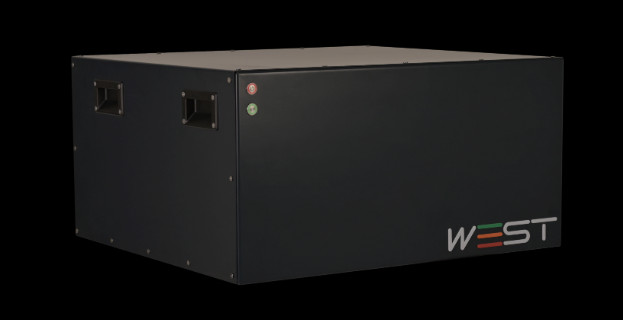
The WEST Summit Series introduces a groundbreaking approach to energy storage with our advanced Hybrid Supercapacitor technology, designed to revolutionize how we store and utilize energy in various applications. This system is specifically engineered to offer unparalleled safety, efficiency, and longevity, making it a superior alternative to traditional lithium battery systems.
Key Features:
Hybrid Supercapacitor Technology: Combines the best of capacitor and battery technologies, providing ultra-long cycle life and operational life of up to 45 years.
Fast Charge and Discharge: Achieves rapid energy transfer, dramatically reducing the time needed for charging and discharging cycles.
Temperature Stability: Operates safely across a wider temperature range (-40°C to 65°C) with no risk of thermal runaway.
High Round Trip Efficiency: Achieves 99.1% capacitor RTE and over 97% module RTE, ensuring minimal energy loss during charge and discharge cycles.
Enhanced Safety: Features dual current management, patented CLC for controlled power release, short circuit detection, and multiple unit imbalance control.
IoT Monitoring: Includes Wi-Fi monitoring via Wright’s user-friendly app, supporting Android and iOS devices, for seamless remote management and diagnostics.
Modular Design: Allows for unlimited parallel compatibility, ensuring scalable and flexible energy storage solutions for diverse applications.
10-Year Warranty: Backed by a robust 10-year warranty, ensuring peace of mind and long-term reliability.
Safety Advantages Over Lithium Batteries:
No Thermal Runaway: Unlike lithium batteries, supercapacitors do not suffer from thermal runaway, eliminating the risk of fire and explosion.
Negligible Degradation: Supercapacitors experience minimal degradation over time, maintaining consistent performance and reducing the need for frequent replacements.
Temperature Resilience: Capable of operating in extreme temperatures, supercapacitors ensure reliable performance in harsh environments without the risk of overheating.
Dual Current Management: Provides added layers of safety by managing current flow and preventing potential overloads.
Controlled Power Release: Patented CLC technology ensures safe and controlled energy release, enhancing overall system safety.
Cost Efficiency:
While the initial cost of supercapacitor-based systems may be higher than lithium battery systems, their ability to fast charge and discharge translates to significant long-term savings. Supercapacitors’ ultra-fast charging capabilities mean fewer kilowatt-hours are required to maintain energy levels, leading to reduced operational costs. Additionally, the absence of thermal runaway and degradation issues lowers maintenance and replacement expenses, further enhancing cost efficiency.
Application Versatility:
The WEST Summit Series is designed for a wide range of inverter or DC-based applications, including:
Solar Power Systems: Efficiently store and release solar energy, maximizing the utility of renewable resources.
Backup Power: Provide reliable backup power solutions for businesses and institutions, ensuring uninterrupted operations.
Grid Storage: Enhance grid stability and efficiency with high-performance energy storage solutions.
Summary:
The WEST Summit Series Hybrid Supercapacitor Energy Storage System represents the pinnacle of contemporary energy storage technology. With its superior safety features, unparalleled efficiency, and long operational life, it offers a compelling alternative to traditional lithium battery systems. Invest in the future of energy storage with WEST Summit Series and experience the benefits of advanced supercapacitor technology.
The Occupational Health and Safety Act (OHSA) of South Africa mandates specific procedures and guidelines to ensure safety during emergencies, including fires, at schools and businesses. While the OHSA does not provide a detailed step-by-step evacuation plan, it requires employers to implement and maintain safe working conditions, which include having an emergency action plan. Here are the key procedures generally required:
General Fire Safety Procedures
Emergency Preparedness Plan:
Develop a comprehensive emergency preparedness plan that includes fire safety procedures.
Ensure the plan is easily accessible and communicated to all employees and students.
Evacuation Plan:
Clearly mark all emergency exits and ensure they are free of obstructions.
Designate assembly points at a safe distance from the building.
Conduct regular fire drills to familiarize everyone with the evacuation routes and procedures.
Fire Alarms and Detection Systems:
Install and maintain fire alarms and smoke detectors throughout the premises.
Ensure that alarms are audible and visible to alert all occupants.
Fire Extinguishers and Firefighting Equipment:
Equip the building with appropriate fire extinguishers, and ensure they are easily accessible.
Train designated personnel in the proper use of firefighting equipment.
Emergency Contacts and Communication:
Maintain an updated list of emergency contact numbers.
Ensure that communication systems (e.g., PA systems, radios) are functional and can be used during an emergency.
Training and Drills:
Conduct regular fire safety training for all staff and students.
Organize regular fire drills to practice evacuation procedures.
First Aid and Medical Response:
Have first aid kits readily available.
Train staff in basic first aid and emergency response.
Specific Guidelines for Solar PV Installations
Given the specific risks associated with solar PV systems, such as the presence of live DC wires even when the main power is shut down, additional precautions are necessary. Here are the guidelines:
Risk Assessment:
Conduct a thorough risk assessment of the PV system to identify potential hazards.
Implement control measures to mitigate these risks.
Signage and Labeling:
Clearly label all components of the PV system, including inverters and combiner boxes.
Post warning signs to indicate the presence of high voltage and live wires.
Train personnel in the proper use of these products to safely de-energize the PV system during an emergency.
Isolation Procedures:
Develop procedures for safely isolating and shutting down the PV system.
Ensure that these procedures are part of the overall emergency action plan.
Emergency Response Coordination:
Coordinate with the local fire department to develop a joint action plan for emergencies involving the PV system.
Provide the fire department with detailed information about the PV system layout and isolation points.
Danger Zones:
Mark danger zones around PV installations where DC voltage is present.
Ensure that these areas are off-limits to untrained personnel during emergencies.
Regular Inspections and Maintenance:
Conduct regular inspections of the PV system to ensure it is in good working condition.
Address any maintenance issues promptly to prevent potential hazards.
Example of a Fire Emergency Procedure for a School or Business with Solar PV System
Immediate Actions:
Upon discovering a fire, immediately activate the nearest fire alarm.
Call emergency services and provide them with detailed information about the fire and any specific risks related to the PV system.
Evacuation:
Evacuate the building using the nearest safe exit.
Avoid areas with marked danger zones related to the PV system.
Proceed to the designated assembly point.
Using PVStop:
If safe to do so, trained personnel should use PVStop to de-energize the PV modules.
Inform the fire department upon their arrival about the use of PVStop and the current status of the PV system.
Coordination with Fire Department:
Provide the fire department with the layout of the PV system and any specific isolation points.
Assist the fire department as needed, ensuring they are aware of the live DC hazards.
Post-Emergency Actions:
Conduct a headcount at the assembly point to ensure everyone is accounted for.
Do not re-enter the building until it has been declared safe by the fire department.
By following these procedures and guidelines, schools and businesses can enhance their preparedness for fire emergencies, particularly those involving the unique hazards of solar PV systems. Regular training, clear communication, and coordination with emergency services are key components of an effective fire safety plan.
Disclaimer
This document is provided solely for awareness purposes and should not be considered a comprehensive action plan for emergency preparedness and response. While it outlines general guidelines and procedures, it is crucial to consult with and involve the appropriate authorities and professionals to develop a detailed and compliant emergency action plan tailored to your specific needs.
We strongly recommend contacting your organization’s safety officers, local fire department, emergency response teams, and other relevant authorities to ensure that your emergency procedures comply with all legal and safety requirements. Professional advice and regular updates are essential to maintain an effective and compliant safety strategy.
For specific guidance and to ensure full compliance with the Occupational Health and Safety Act (OHSA) of South Africa, as well as best practices for handling emergencies involving solar PV systems, please consult with qualified safety professionals and regulatory bodies.
Contact Information and sudgestions for Compliance and Safety Support:
By following professional advice and involving the appropriate authorities, you can ensure that your emergency action plan is comprehensive, effective, and compliant with all relevant safety standards and regulations.
The report is based on a survey conducted among Solar PV practitioners actively working in the sector. The two most prominent risk factors highlighted by the respondents relate to the installation phase. These are “Poor Installation Practices” and “Inexperienced or Unaccredited Installers”. It’s important to note that while fire is often publicised as a risk associated with Solar PV, the survey results did not identify fire as a stand-alone risk. Instead, it could potentially be viewed as a by-product of other prominent risks.
Mitigation Strategies
Despite the risks associated with Solar PV, the industry has developed and is actively implementing various effective mitigation strategies. These include:
Isolation Switches and Anti-Arcing Equipment
Various Rapid Shutdown Technologies
Lithium Battery Fire Gel Extinguishers in case of battery fires
Solar PV panel Light Blocking Solutions to neutralise the DC Danger Zone
Early heat detection technologies including thermal imaging
Smoke detectors
CCTV cameras
Operational Phase: Emergency Evacuation and Response Planning
In the event of a fire or other emergency scenario, having a well-thought-out emergency response plan is crucial to minimise damage and ensure the safety of a structure and its occupants. Mitigation measures in case of emergencies include:
Updating existing, or developing new emergency response procedures to include Solar PV considerations. (LTV will soon publish a Template focussing on Schools, Businesses and Public places)
Installing fire detection and early warning systems as additional safety measures.
Installing fire suppression systems on site: Examples include Lithium-Ion fire gel extinguishers in case of battery fires, and securing a viable solution to de-energize solar PV systems at the source of power production, e.g blocking light to solar PV panels to neutralise the DC danger zone.
PVStop’s Role
PVStop was developed for this exact reason. We are dedicated to providing a reliable shield for solar systems, ensuring the instantaneous and secure shutdown of panels during emergencies. Our liquid blanket technology stands as a testament to our commitment to a safer, more resilient solar power landscape in the face of unforeseen crises.
Our Partners and Products
We are proud to mention our PVStop partner, Real Fire Suppression, who also handle the Lithium fire suppression and solutions. We also offer a range of products like Thermarestor for the prevention of arcing and hot connections inside the PV Combiner boxes as well as on the AC side of installations in the DB Boxes. Arcbox is another product we offer for protecting the MC4 connections that are also a weak link for arcing problems.
Rapid Shutdown devices also have a place to de-energize PV in certain cases like maintenance and where needed to quickly de-energize panels although it won’t be able to totally de-energize the panels as PVStop does, there will be situations to use this solution.
And definitely, what LTV Technologies and supplies focused on is the quality of DC Switchgear that are NonPolarity DC products and not AC Adapted for DC voltage products that are very dangerous on reverse current and disconnection under load.
Please note: This blog post is a summary of the report and does not cover all the details. For a comprehensive understanding, we recommend reading the full report. Stay safe and stay tuned for more updates in the renewable energy sector!
As we observe Electric Safety Month this May, it’s crucial to raise awareness about the potential dangers of electrical systems and empower individuals with the knowledge to stay safe. In our previous article, we explored the evolution of electrical currents and the importance of understanding the safety benefits of alternating current (AC) in the context of renewable energy. Now, let’s delve deeper into the critical topic of DC current safety and discuss essential safety tips for emergencies in photovoltaic (PV) systems.
The Power of DC Current: Direct current (DC) plays a vital role in powering renewable energy technologies such as solar panels and batteries. While DC systems offer numerous benefits, including efficiency and sustainability, they also pose unique risks that cannot be ignored. Unlike AC current, which alternates direction, DC current flows steadily in one direction, making it particularly dangerous in certain situations.
A Little Current Can Kill: The adage “a little current can kill” serves as a stark reminder of the lethal potential of electricity, especially in DC systems. Even a seemingly small amount of current can have devastating consequences if it passes through the human body. Electrocution incidents involving DC or PV systems highlight the urgent need for heightened awareness and safety measures to prevent tragic accidents.
Basic Safety Tips for PV Systems: When it comes to safety in PV systems, preparation and caution are key. Here are some basic safety tips to keep in mind:
Emergency Shutdown Procedures: Familiarize yourself with the emergency shutdown procedures for PV systems, including how to safely de-energize the system in case of an emergency.
Personal Protective Equipment (PPE): Always wear appropriate PPE, such as insulated gloves and safety glasses, when working with PV systems to protect yourself from electrical shocks and arc flashes.
Arc Flash Prevention: Take steps to prevent arc flashes by following proper installation and maintenance procedures, including regular inspections of electrical components and connections.
Fire Safety: Be vigilant about fire safety in PV installations by keeping the area clear of debris and vegetation that could pose a fire hazard. Install fire detection and suppression systems as an added layer of protection.
Training and Education: Invest in comprehensive training and education for yourself and your team to ensure everyone understands the risks associated with working on PV systems and knows how to respond in emergencies.
Honoring the Past, Building a Safer Future: As we reflect on the history of electrical safety, let us pay tribute to the first casualties recorded in history, honoring their memory by committing to be safer and smarter in the workplace. By prioritizing safety, investing in education, and implementing best practices, we can create a culture of safety that protects lives and prevents accidents. Intresting read is the War of Currents Wikipedia
Conclusion: This Electric Safety Month and beyond, let’s make safety a top priority in all aspects of our lives, especially when working with electrical systems like PV installations. By understanding the risks associated with DC current, practicing basic safety tips, and honoring the lessons of the past, we can ensure a safer, brighter future for everyone.